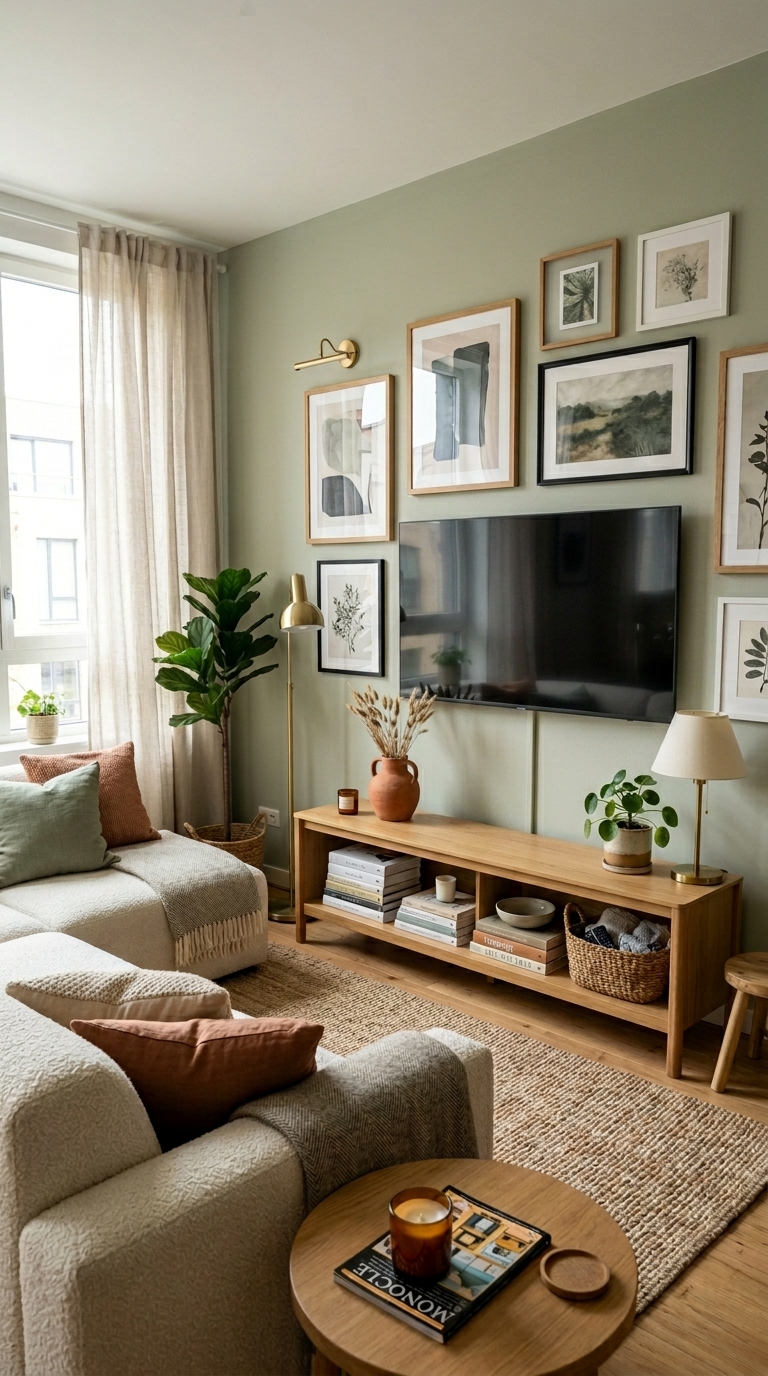
How to Get Your Small Home Ready for the Holidays Without Feeling Overwhelmed
The holidays can make even a comfortable home feel smaller. If you want to prepare a small home for the holidays without feeling overwhelmed, start before groceries fill the refrigerator, coats pile up by the door, and decorations take over the living room.
If you live in an apartment, a small house, or a home with limited storage, holiday cooking, gift wrapping, hosting visitors, and having children home more often can make everyday routines frustrating.
You don’t need to deep-clean every corner, buy new organizers, or rearrange your entire home. The best way to prepare a small home for the holidays is to anticipate what will change and make room for those activities before things get busy.
That might mean clearing a counter, deciding where guests will leave their coats, gathering gift-wrapping supplies, or creating a sleeping arrangement without a spare bedroom. Many of these changes cost nothing.
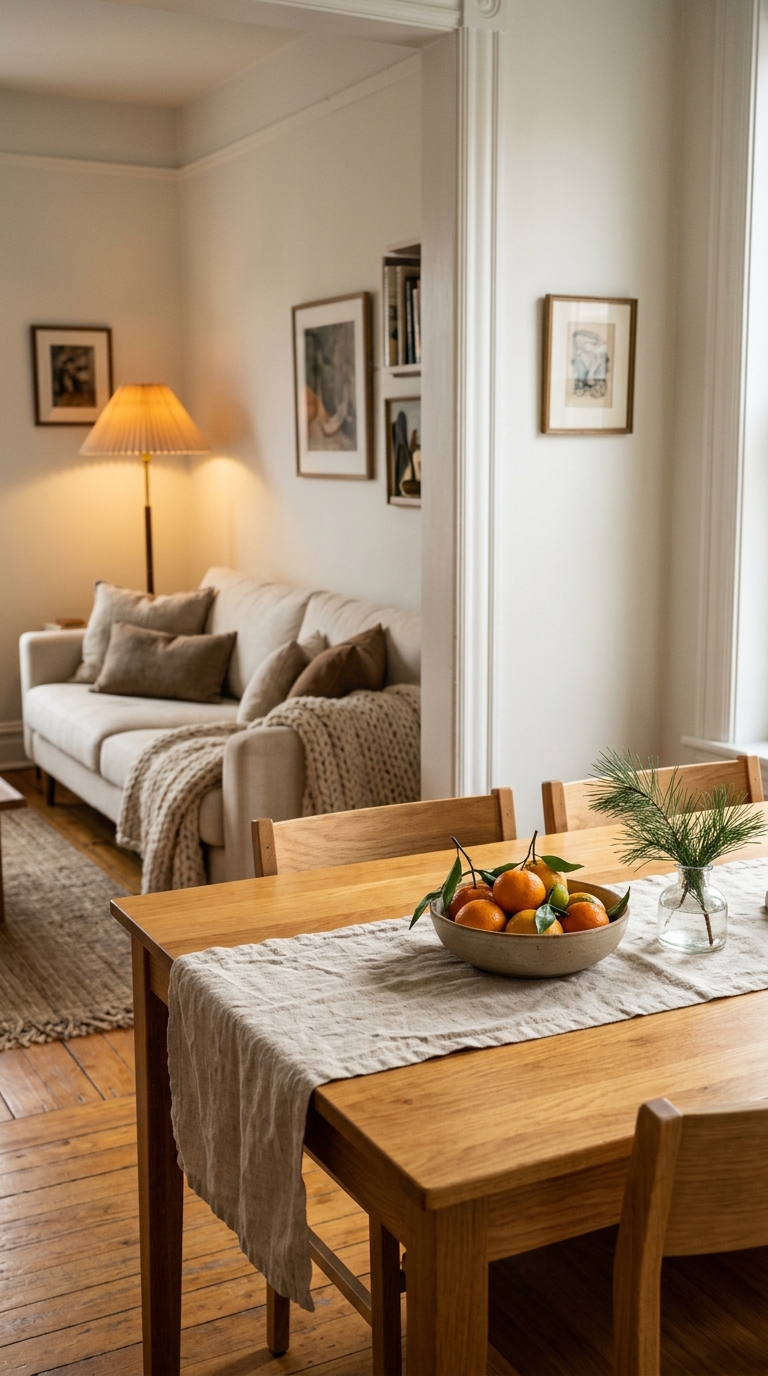
Here are 11 practical ways to get your home ready while keeping it comfortable and functional.
1. Decide What Needs to Work First
Before pulling everything out of cupboards, think about how you’ll use your home during the holidays.
Will you prepare a Thanksgiving dinner, host relatives for Christmas, wrap gifts at the dining table, or spend more time indoors? Each situation creates different space problems.
If you’re hosting dinner, the kitchen, refrigerator, dining area, and bathroom may need the most attention. Overnight guests also need somewhere to sleep and keep their belongings. Celebrating with your immediate household may mean making more room for gifts, activities, and decorations.
When you set out to prepare a small home for the holidays, walk through your rooms and identify the three areas most likely to become difficult to use. For each one, ask:
- What will we need to do here during the holidays?
- What usually gets in the way?
- What can I move, remove, or prepare ahead of time?
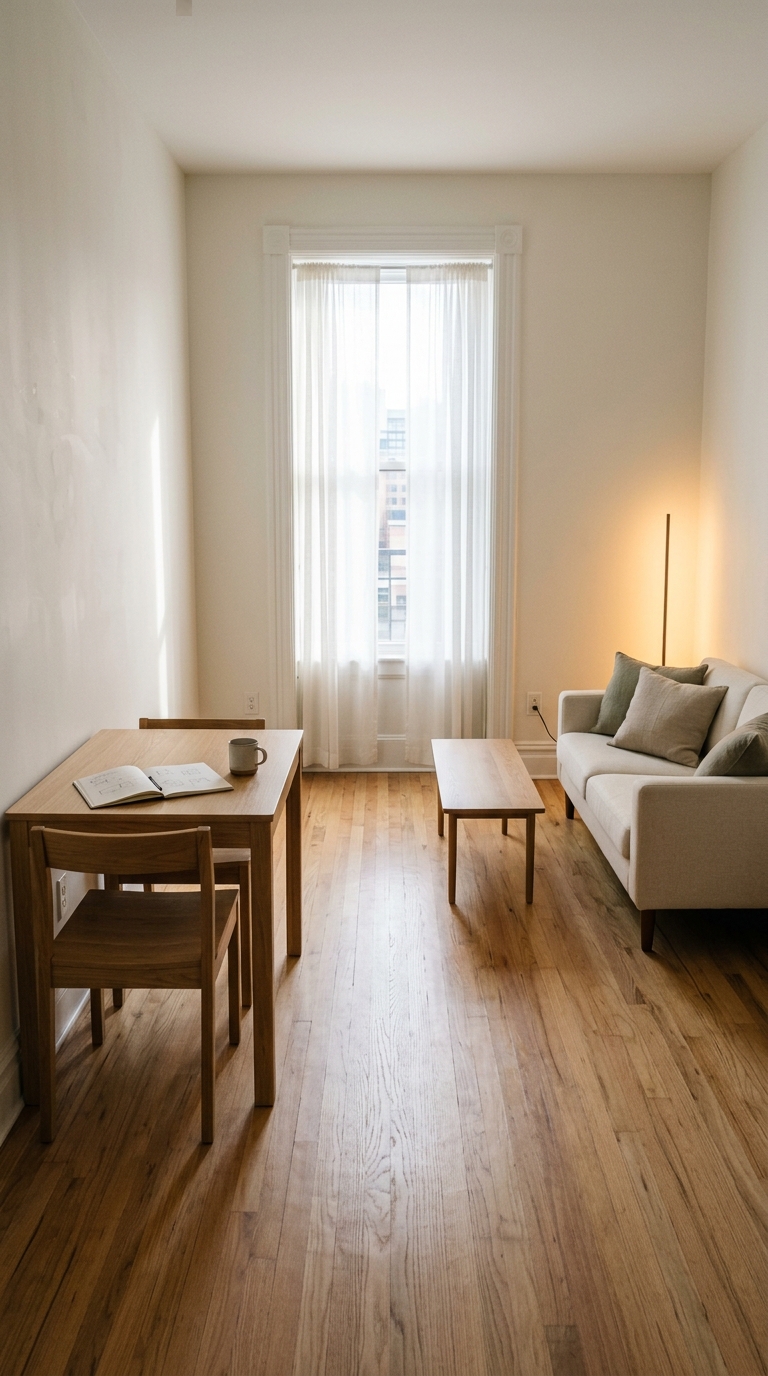
If mail, laundry, and shopping bags regularly collect on your dining table, clearing it before the season gets busy will be more useful than reorganizing a cupboard you rarely open.
Prioritize tasks that become harder once the house is busy: move furniture before guests arrive, check refrigerator space before a large grocery shop, and prepare bedding ahead of time.
Start with the problems that disrupt your routine most. You don’t need to prepare every room at once.
2. Clear the Surfaces You’ll Actually Need
In a small home, surfaces often serve several purposes. Your kitchen counter might be used for breakfast and food preparation, while the dining table doubles as a desk, homework station, and gift-wrapping area.
Instead of emptying every surface, decide what each one needs to accommodate.
Put away kitchen appliances you rarely use, relocate paperwork, and return stray items to their proper homes while keeping everyday essentials accessible. Clear enough of the dining table for eating or serving, and decide where gift-wrapping supplies will go when it’s time for a meal.
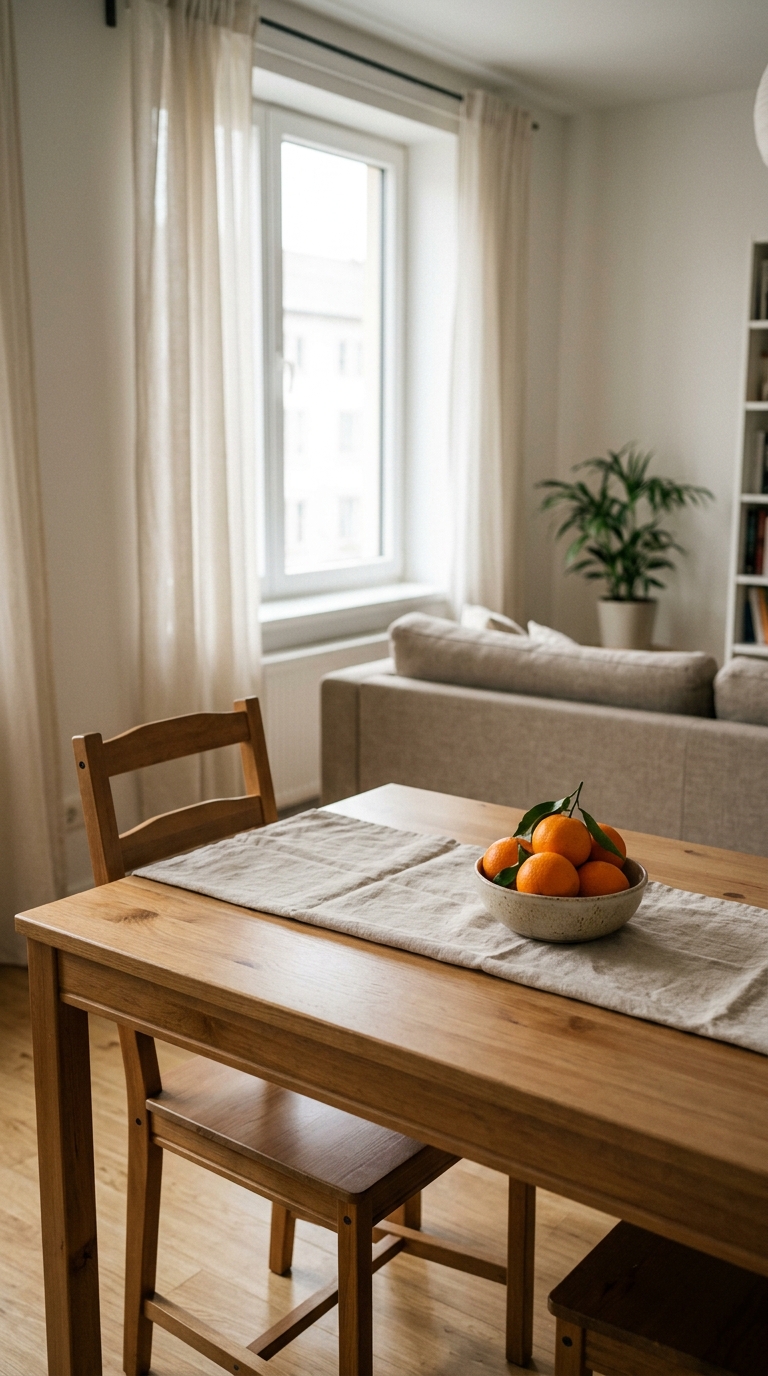
In the living room, remove empty packaging, loose papers, and objects that interfere with seating. Imagine your home during its busiest holiday moment: could you set down a serving dish, find somewhere for everyone to sit, and use the table without first moving a pile of belongings? If not, something needs to move.
If clutter repeatedly returns to the same surface, address the cause. For example, create a convenient place to sort mail instead of repeatedly clearing the dining table.
For more ideas, read our guide to organizing a small home with little storage.
3. Make Room for Holiday Clothes and Shoes
Cold-weather holidays can bring bulky coats, sweaters, boots, scarves, and other layers into your home. These items quickly crowd an entryway or shared closet.
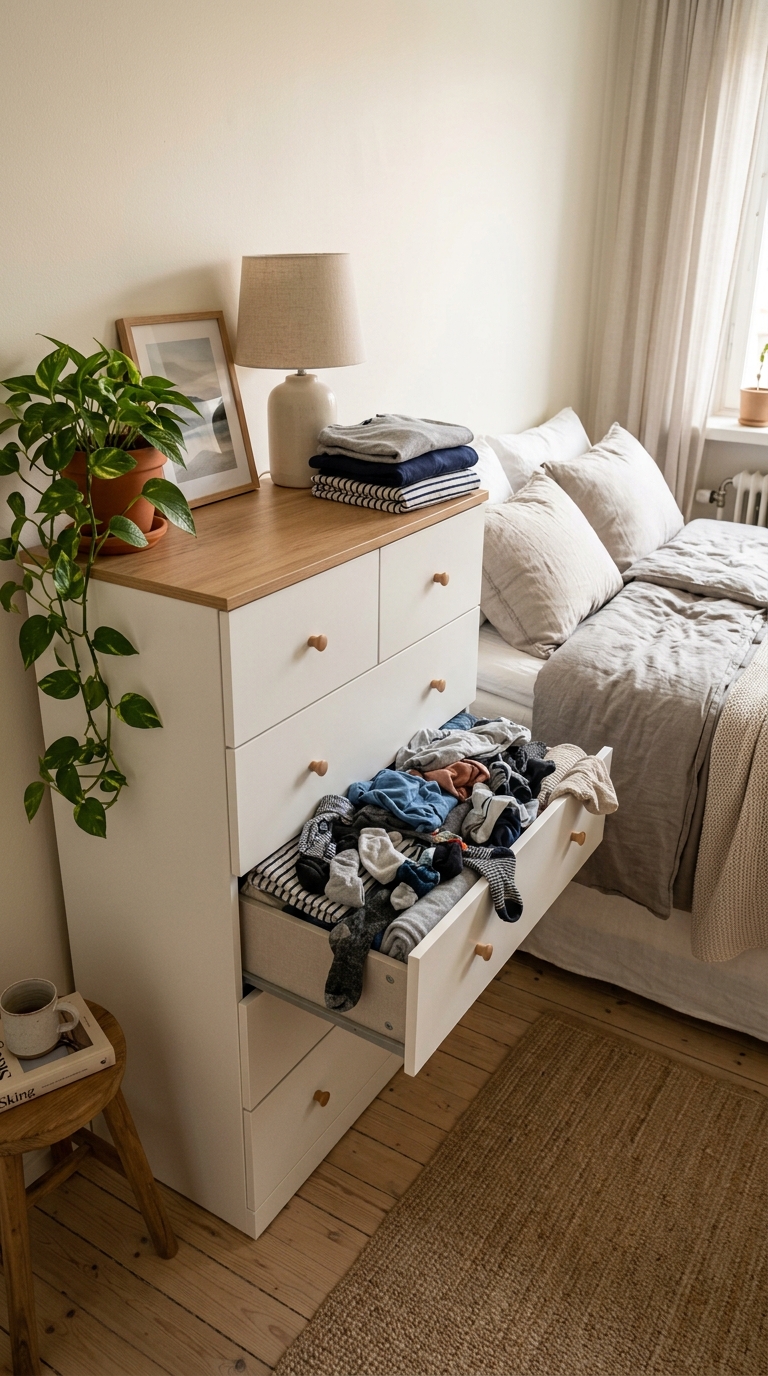
Move out-of-season clothing you won’t need over the coming weeks. Use an existing suitcase, under-bed container, or closet shelf rather than buying new organizers.
Then make everyday items easier to manage:
- Keep frequently worn coats together instead of spreading them across several hooks.
- Store only regularly used shoes near the entrance.
- Gather gloves, scarves, and other small accessories in one basket or drawer.
- Move occasional-use bags and seasonal items away from convenient storage spots.
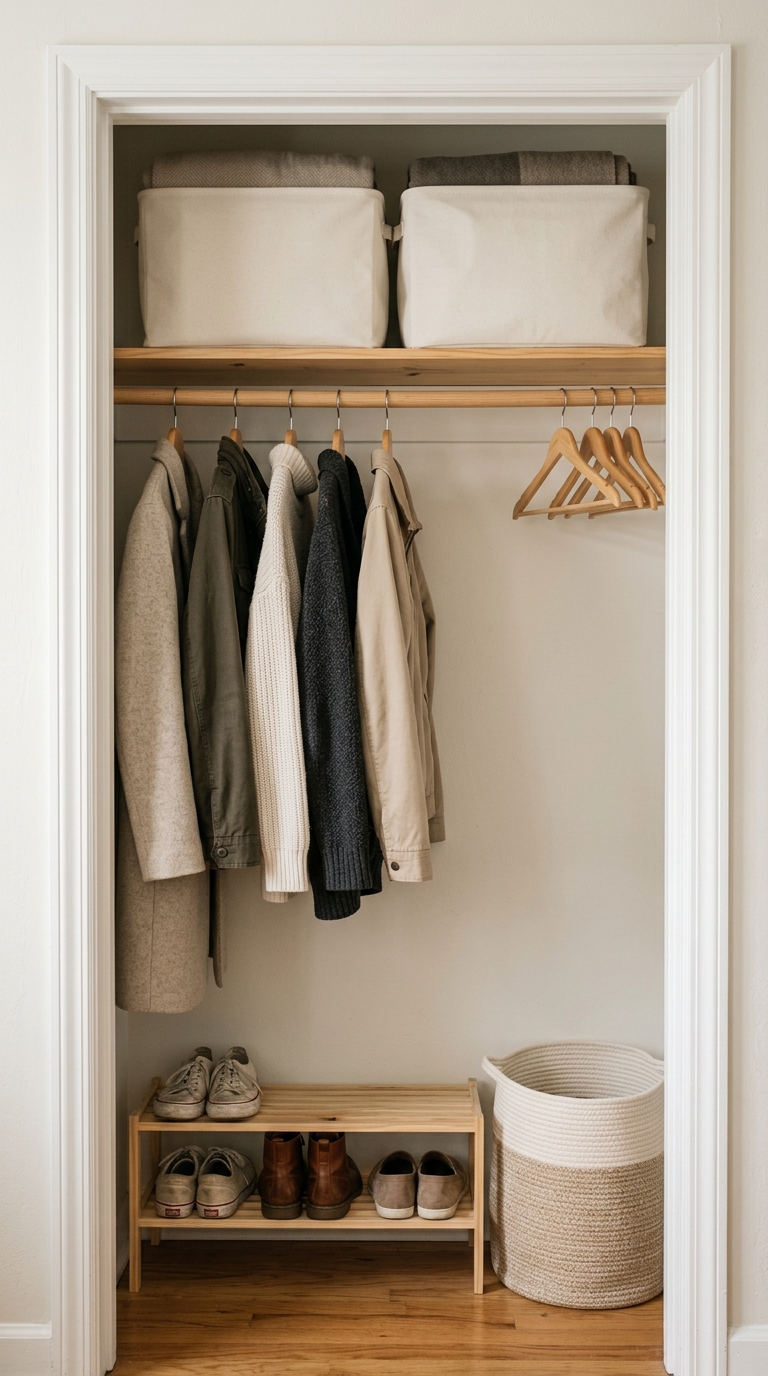
If rain or snow is likely, leave space for damp coats and shoes to dry without blocking the entrance. A washable mat or boot tray can help contain moisture if you already have one.
Remember that guests will need space, too. If every hook is occupied by family coats, visitors may end up draping theirs over dining chairs. Keep the entrance usable so nobody has to move a pile of shoes just to open the front door.
4. Give Guests Somewhere to Put Their Things
Visitors may arrive with coats, handbags, shopping bags, gifts, umbrellas, and shoes. Without a plan, those belongings can spread across the sofa and floor.
Choose a temporary drop zone before guests arrive. Depending on your layout, it might be a cleared section of the entryway, a few empty closet hangers, a sturdy basket, or a bedroom corner. You don’t need a special coat rack; use what you already own, provided it’s stable and doesn’t obstruct movement.
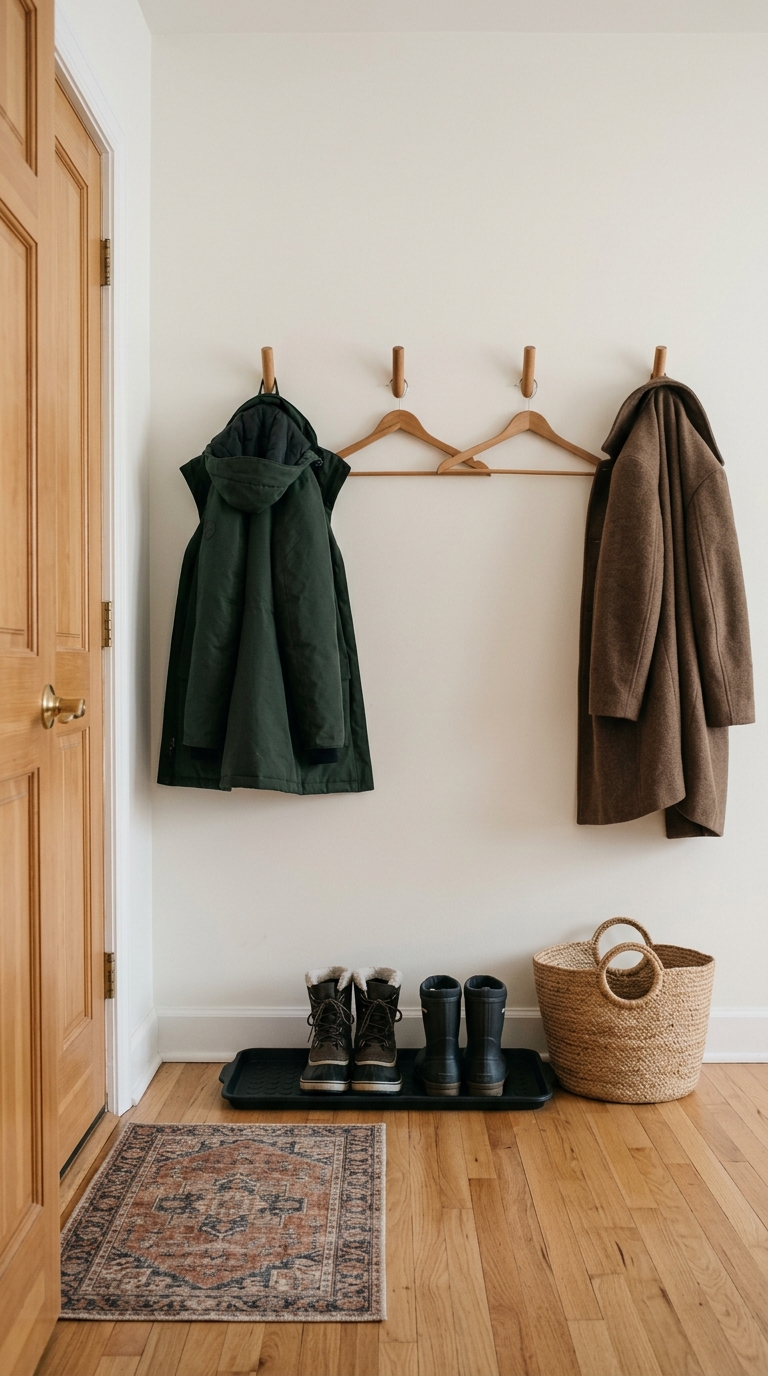
Think through where these items will go:
- Coats: Leave a few hangers or designate a section of the closet.
- Shoes: Choose a spot that won’t block the doorway.
- Handbags: Provide a secure place instead of leaving them on the floor.
- Wet items: Keep damp coats and umbrellas away from slippery walking surfaces.
- Gifts and shopping bags: Move them out of the main walkway until they’re needed.
For a larger gathering, a bedroom or another suitable room can hold overflow belongings. Let guests know where to put their things when they arrive, and keep doorways, stairs, and main walking routes clear to reduce tripping hazards.
5. Make a Little More Room in the Kitchen
The kitchen often experiences the biggest change during the holidays. You’re preparing larger meals, buying ingredients ahead of time, baking, and trying to fit leftovers into an already full refrigerator. You don’t necessarily need a bigger kitchen; you need a plan for using the space you have.
Plan around the menu
Before shopping, list the meals you’ll prepare and check your pantry and refrigerator. This helps avoid duplicate purchases and buying more than you can store.
Separate ingredients you can buy early from those that should wait until closer to the meal. Think through the cooking sequence: where will you chop vegetables, where will prepared ingredients wait, and which counter will hold serving plates? Keeping the main preparation area clear is more useful than having every appliance on display.
Make room before groceries arrive
Before the holiday rush, check your refrigerator and freezer space before buying bulky drinks, large containers, or ingredients that need chilling. Reserve room for dishes you’ll prepare ahead and leftovers you expect to keep.
Use stackable containers where practical, and review existing food before shopping so you can use suitable ingredients that need attention.
Don’t overcrowd the refrigerator or leave perishable food sitting out because space is limited. The USDA recommends keeping your refrigerator at 40°F or below and refrigerating perishable food promptly. Its food storage and refrigeration guidance explains how to store food safely and manage leftovers.
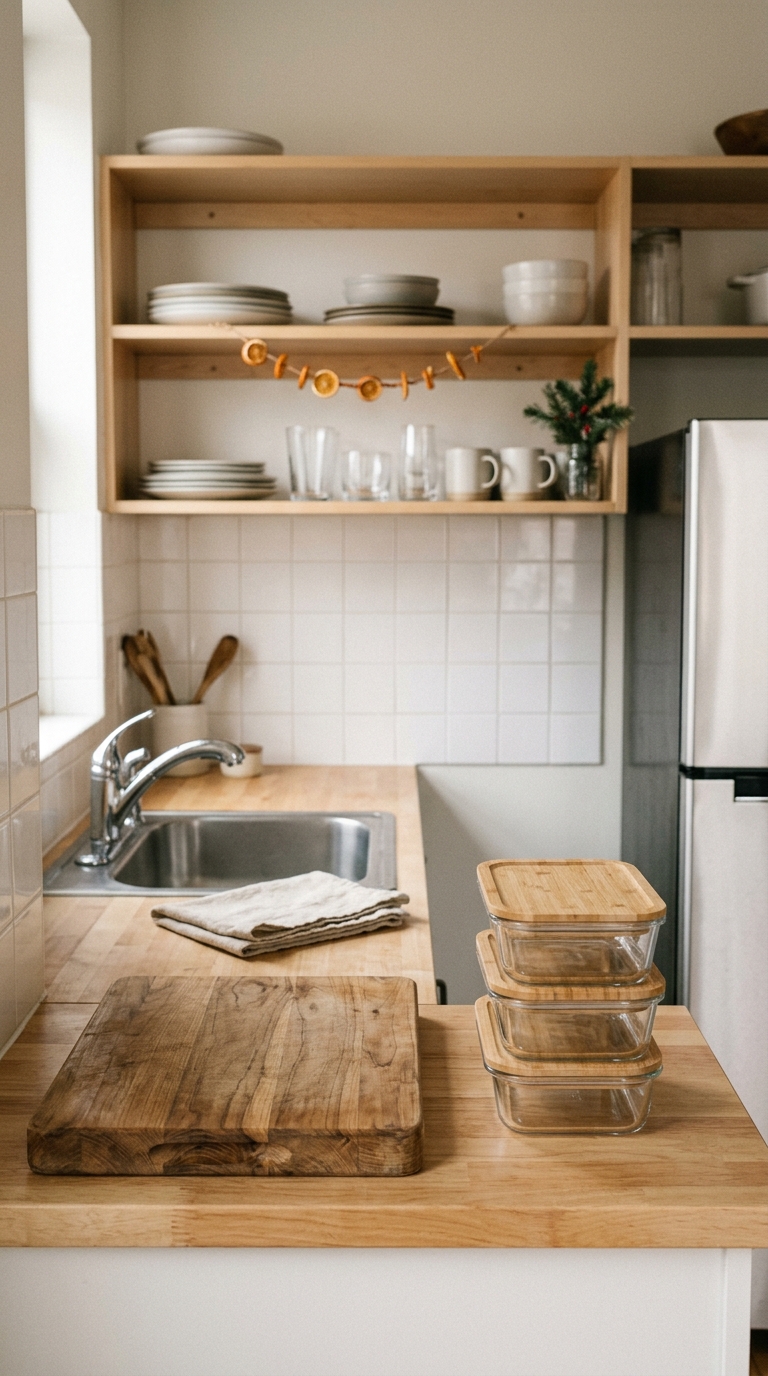
Add work surface only if it makes sense
If your kitchen lacks preparation space, an additional work surface may help, but not every shelving unit is suitable for food preparation. Check the furniture’s intended use, stability, weight limits, and surface material. Any additional furniture should sit securely without blocking doors, appliances, or walkways.
For a specific small-kitchen idea, see how to add counter space to a small kitchen with an IKEA KALLAX.
Finally, empty the kitchen bin before a major cooking session so there’s room for packaging and food scraps.
6. Prepare the Bathroom Before You Need It
A small bathroom can become uncomfortable quickly when several people share it. Extra toiletries and damp towels leave little room for essentials.
Remove empty bottles, expired products, and things nobody uses. Clean the sink, mirror, toilet, and shower, and make sure hand soap and toilet paper are easy to find.
If guests are visiting, provide a clean hand towel and decide where used towels should go. Keep spare toilet paper visible or easy to reach. For overnight guests, clear a small area for their toiletries; a spare basket or part of an existing shelf may be enough.
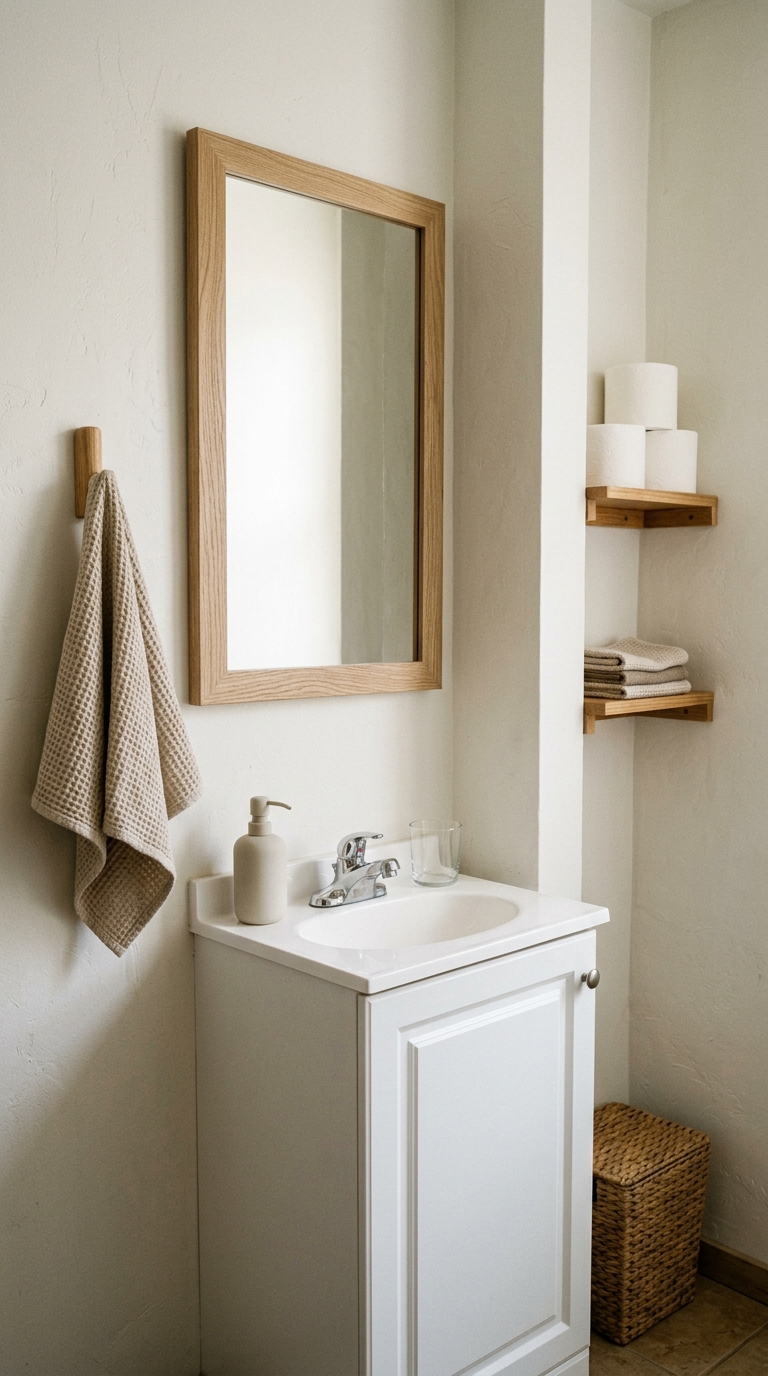
Empty the waste bin and keep the floor dry. Avoid filling the sink and counter with decorative items your household doesn’t need. In a compact bathroom, usable space matters more than elaborate styling.
For more ideas, read how to decorate a small bathroom without clutter.
7. Create a Temporary Guest Zone
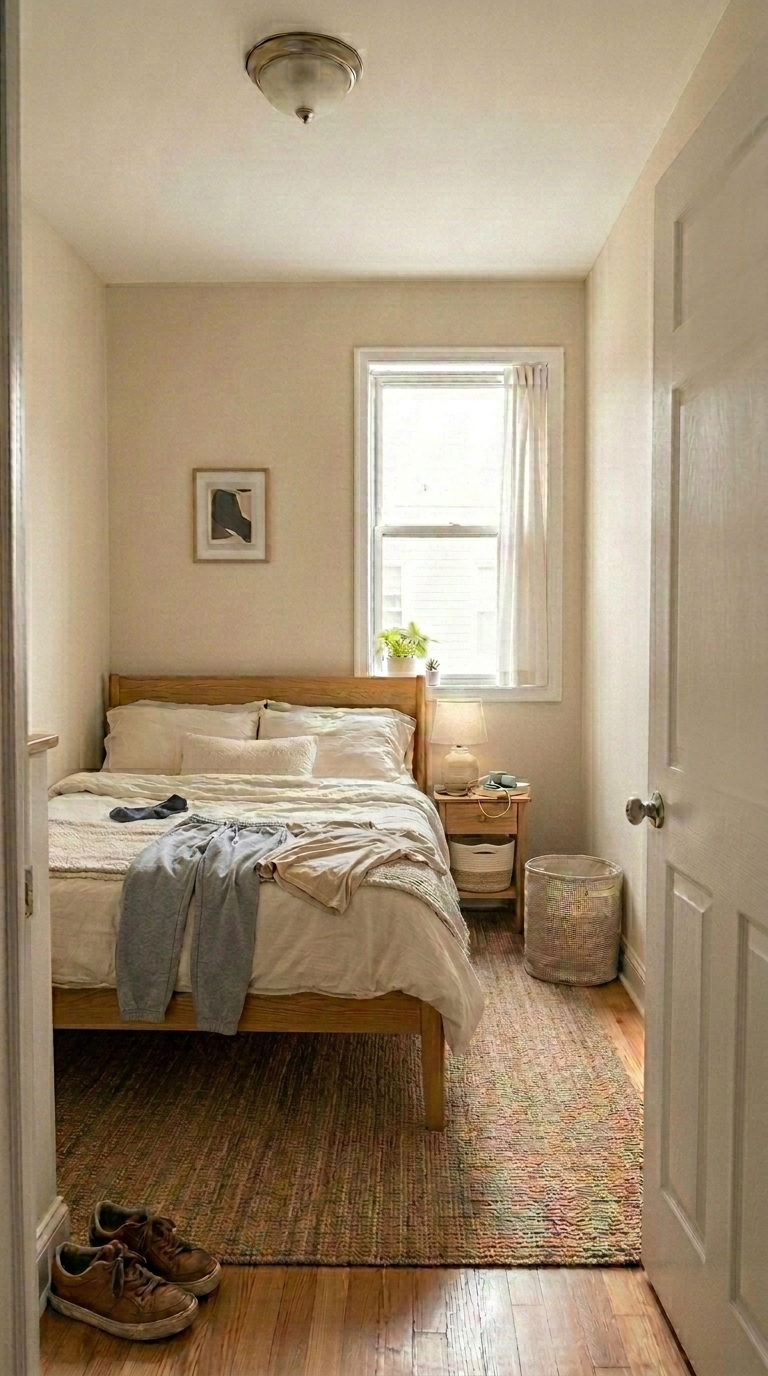
If relatives or friends are staying overnight, you may not have a spare bedroom. You can still make them comfortable by planning where they’ll sleep, keep their belongings, and get ready.
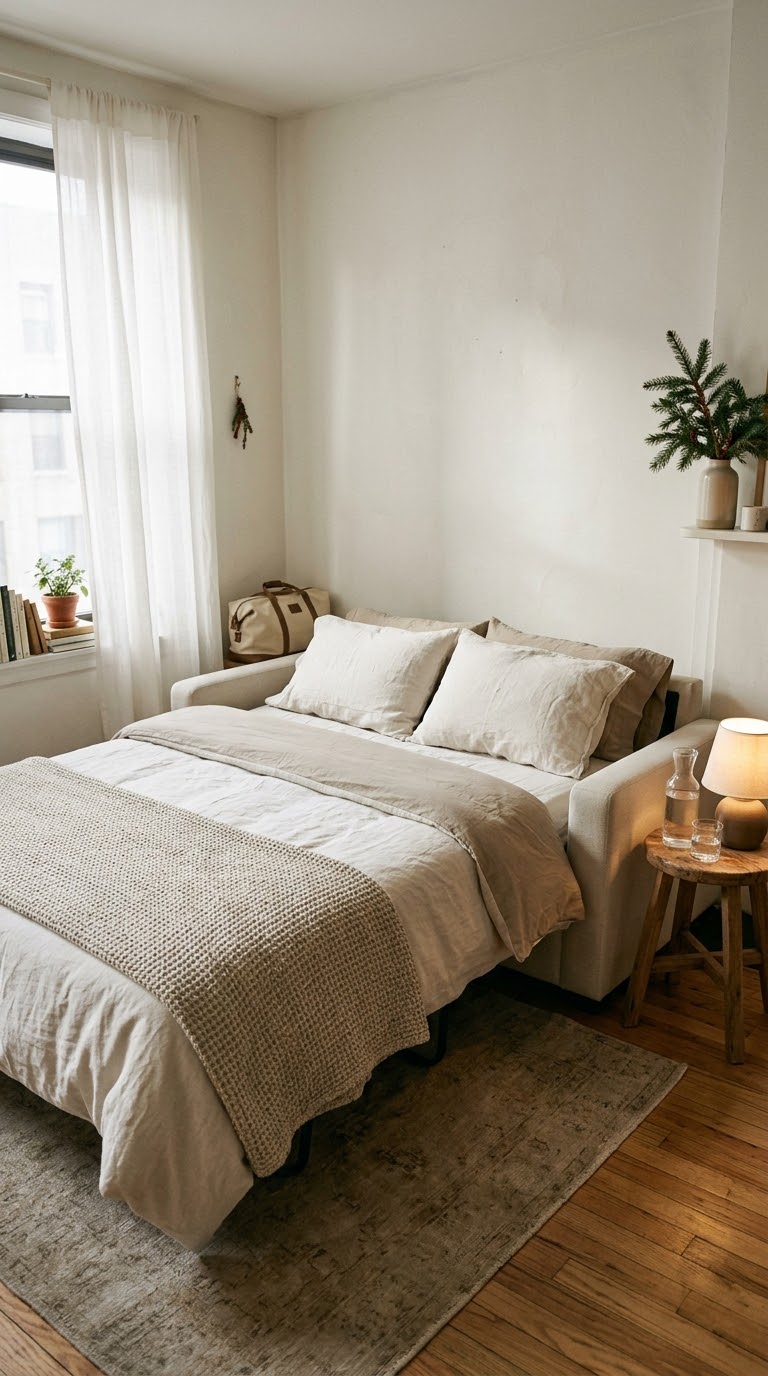
Depending on your layout, you might use a sofa bed, a suitable air mattress, or another arrangement that fits your home. Make sure it leaves enough room to move safely, reach the bathroom, and access doors.
Test the setup beforehand. Unfold the sofa bed or set up the mattress, then walk through the room. Can someone reach the bathroom at night? Is the route to the exit clear? Can your household still access what it needs? It’s easier to discover a layout problem in the afternoon than at bedtime.
Prepare clean bedding in advance and store it together on a closet shelf, in a basket, or in a labeled bag. Give guests a defined place for their belongings, even if it’s just a chair, a small basket, or part of a cleared shelf. If possible, provide a place to charge a phone and keep a glass of water nearby.
If the living room is where everyone relaxes in the evening, decide when it will become the sleeping area and what needs to be put away each morning. A room divider or curtain may offer privacy, but it shouldn’t block an exit or create an obstacle in a narrow walkway.
For more detailed advice, see how to host overnight guests in a small home without a guest room.
A temporary guest zone doesn’t need to resemble a permanent bedroom. It needs to be comfortable, safe, and easy to reset after your visitors leave.
8. Make Space for Holiday Decorations Before They Come Out
Decorations can make a home feel festive, but in a small space they also compete with everyday activities.
Before unpacking everything, decide where decorations will go. If you’re considering a large tree, substantial centerpiece, or bulky display, measure the available space first. Will dining chairs still pull out? Can you open the cabinet? Will the tree block a window, doorway, or route between the sofa and kitchen?
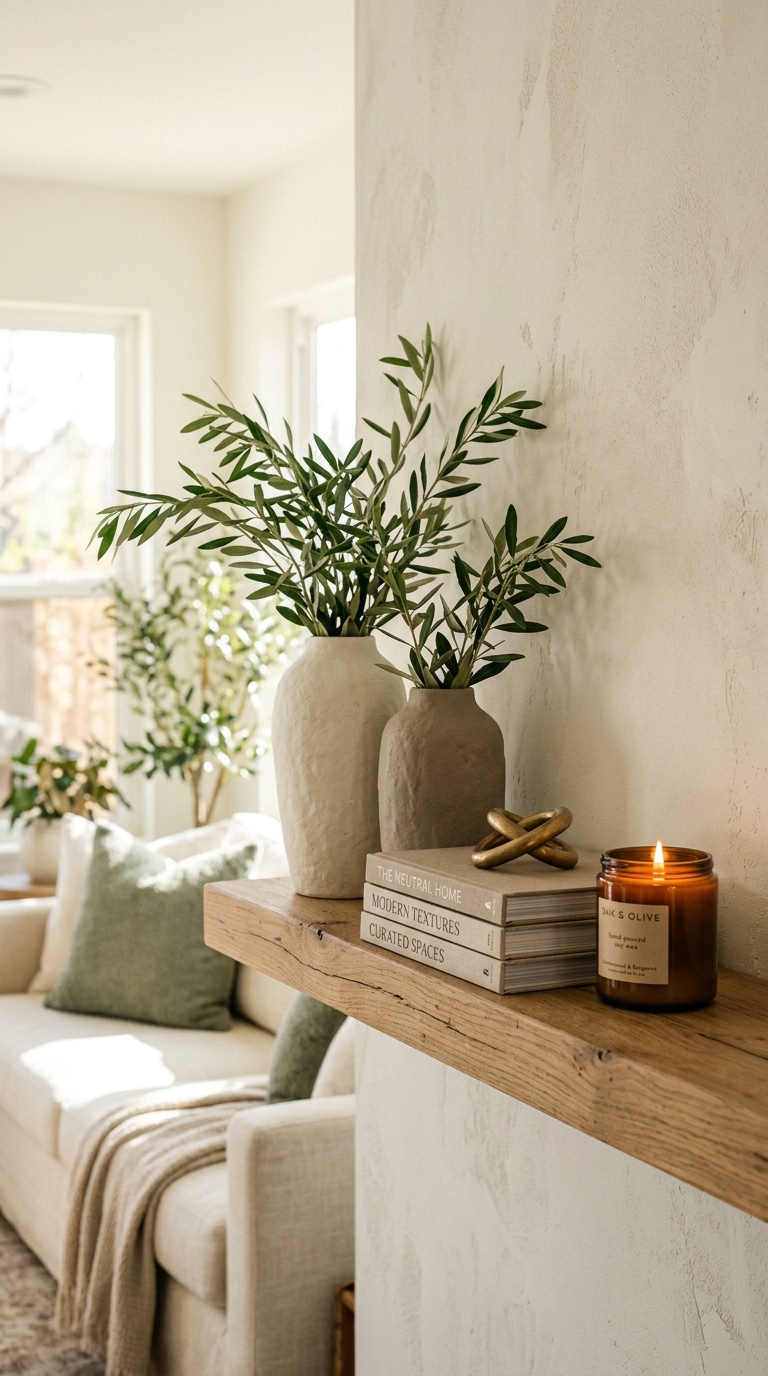
Choose a few areas to decorate instead of spreading items across every surface. A small tree, wreath, warm lighting, or simple shelf arrangement can create a festive atmosphere without taking over the room.
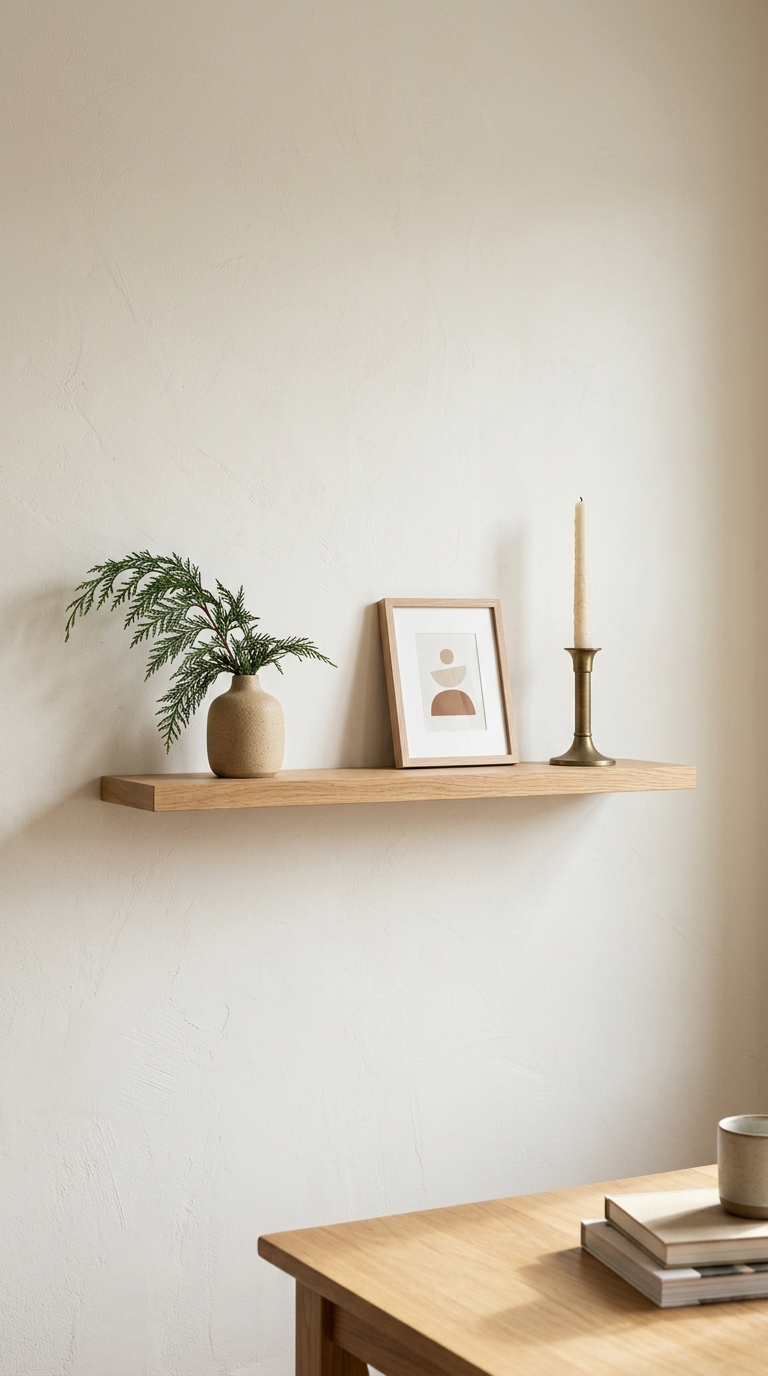
Review the decorations you already own before buying more. Select your favorites and store the rest away, rotating them from year to year rather than displaying everything at once.
If you use a real Christmas tree or decorative lights, include safety in your plans. The National Fire Protection Association recommends keeping trees away from heat sources, checking decorative lights for damaged cords or loose connections, and ensuring the tree doesn’t block an exit. See its Christmas tree fire-safety guidance.
If a decoration crowds a frequently used table or makes cleaning difficult, move it. The same principle applies to every season: decorate the spaces you have without sacrificing the room you need to live comfortably. Our guide to decorating for fall without making a small home feel cluttered explains how to strike that balance.
9. Contain the Things That Tend to Multiply
During the holidays, clutter often comes from temporary items left everywhere: gift bags, wrapping paper, delivery boxes, cards, toys, shopping bags, and food packaging. Give these things a temporary home before they spread.
If you wrap gifts at the dining table, keep paper, scissors, tape, ribbons, and gift tags together in one container. Put everything away when you’re finished so the table is ready for meals.
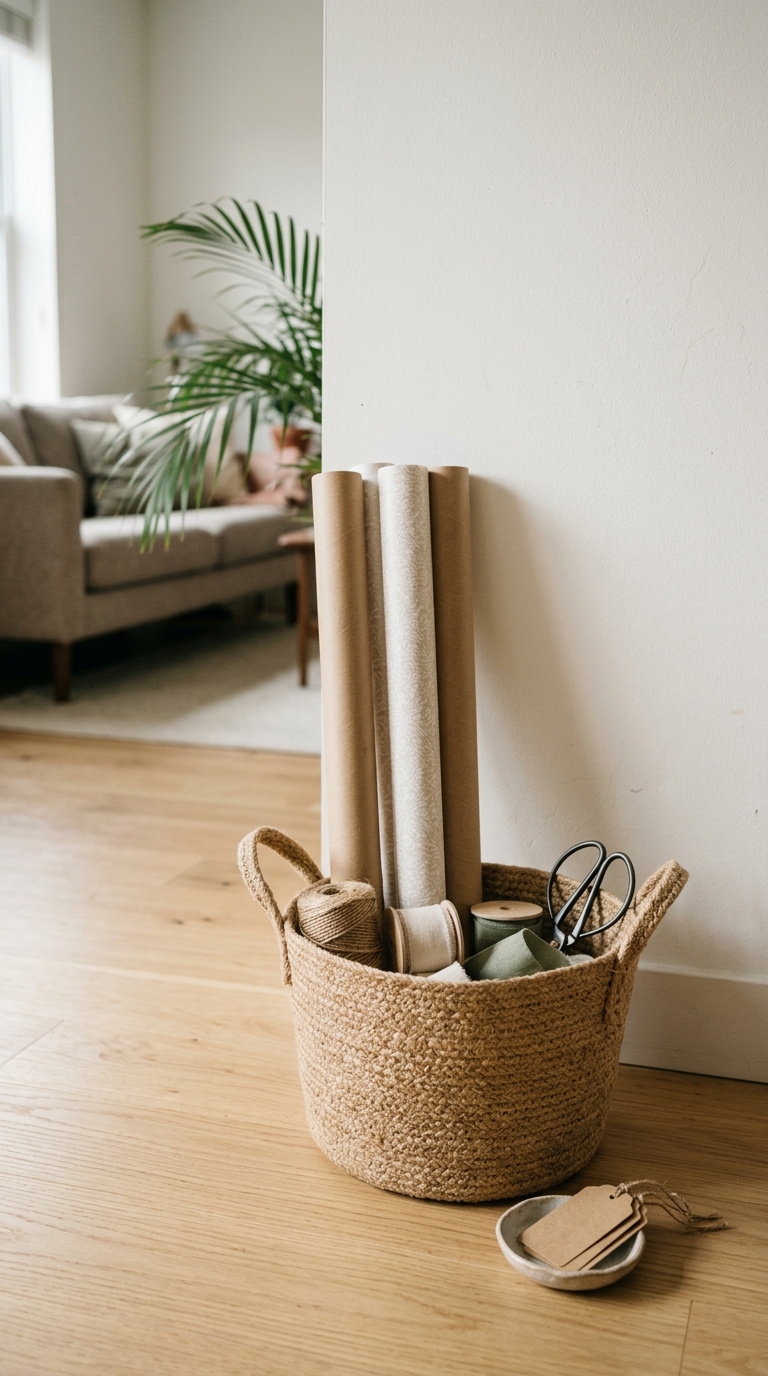
Choose one place for incoming gifts until you’re ready to put them under the tree or distribute them. When children receive new toys, make room for them before bringing out another batch.
Break down delivery boxes and move them out of the way regularly. Recycle what you can, and decide whether holiday cards and shopping bags need to be kept, used, passed along, or discarded.
A small basket can hold things that need attention later, but empty it regularly so it doesn’t become another permanent pile.
10. Protect Your Everyday Walkways and Work Areas
When a home gets busy, it’s tempting to use every empty corner for storage. A box goes beside the sofa, an extra chair moves into the hallway, or shopping bags wait near the front door. These choices can make a compact home harder—and less safe—to navigate.
Walk through your home as if you were carrying a tray of food or coming in with several shopping bags. Can you move from the entrance to the kitchen without squeezing past furniture? Can people reach the bathroom and open doors and drawers fully?
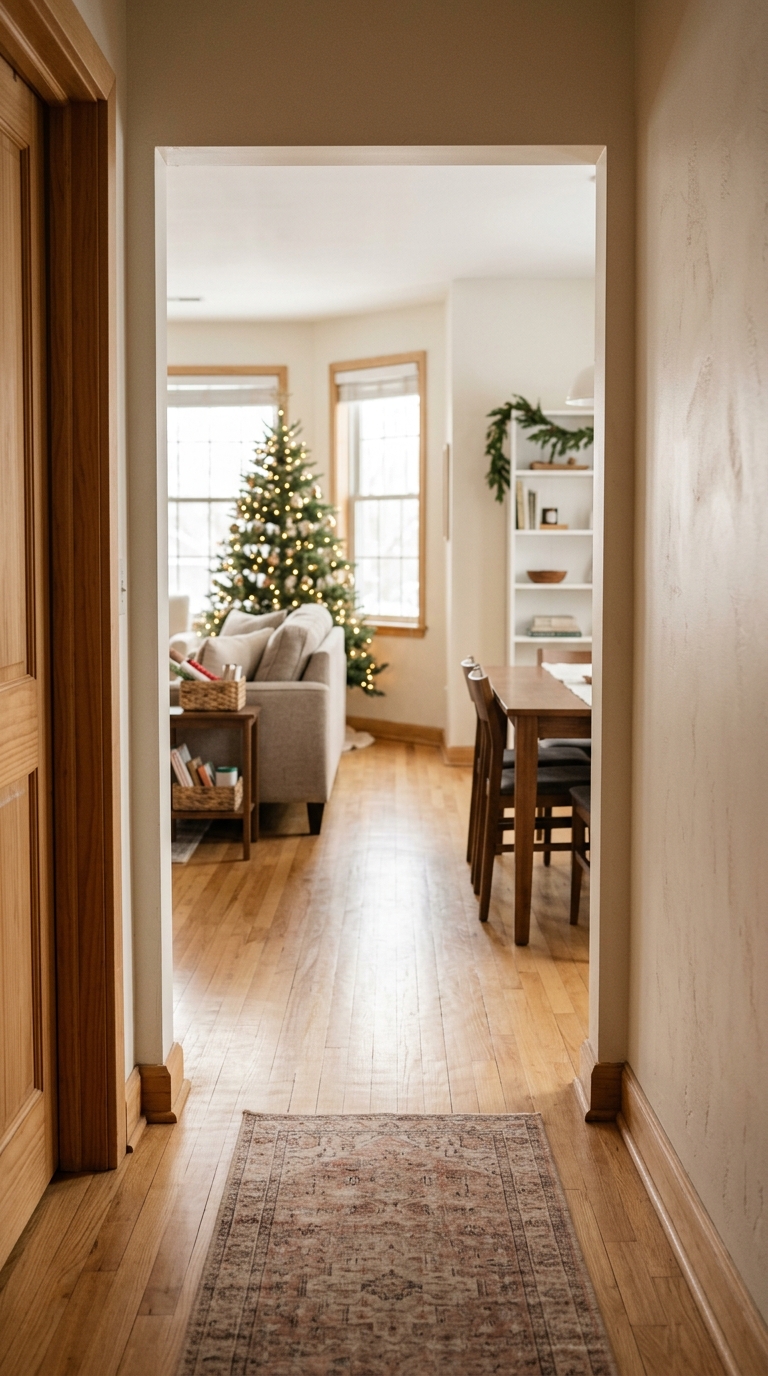
Pay particular attention to entrances, stairs, narrow hallways, and the route between the kitchen and dining area. Keep bags, cords, loose decorations, and boxes out of these paths. Avoid placing candles or hot serving dishes where people are likely to brush against them.
This matters even more if older relatives, young children, or visitors with mobility difficulties will be in your home. Before the rush begins, ask yourself: Will this arrangement still work when the house is busy? If not, adjust it now.
11. Use a Simple Holiday Preparation Timeline
Trying to do everything in one weekend can make small jobs feel exhausting. Using a phased schedule makes it easier to prepare a small home for the holidays without trying to do everything in one weekend.
Adjust this schedule to your plans.
A few weeks before
- Decide whether you’ll host visitors or overnight guests.
- Identify the three areas most likely to become crowded.
- Review decorations and choose what you’ll use.
- Check where bedding, serving dishes, and seasonal items are stored.
- Plan meals and make a shopping list.
- Identify furniture or storage arrangements that need to change.
About one week before
- Clear kitchen counters and review pantry essentials.
- Check refrigerator and freezer space before buying ingredients.
- Make room for everyday coats, shoes, and bags.
- Set up a guest drop zone if needed.
- Gather gift-wrapping supplies in one place.
- Put away items you won’t need during the coming week.
One or two days before
- Clean the bathroom and replenish soap and toilet paper.
- Prepare guest bedding if someone is staying overnight.
- Clear the dining table and main food-preparation area.
- Put decorations in their planned locations.
- Empty bins and deal with accumulated packaging.
- Prepare any food that can safely be made ahead.
On the day
- Clear the entrance and main walkways.
- Wipe the kitchen counters and bathroom sink.
- Make sure guests know where to leave coats and bags.
- Put away items that have collected on shared surfaces.
- Leave room for cooking, eating, and moving around comfortably.
If you’re preparing at the last minute, don’t attempt every task. Prioritize the entrance, kitchen, bathroom, seating, and safe walkways.
Share the workload where possible. Ask family members to put away their belongings, manage their shoes, or help reset shared surfaces. Leave yourself some breathing room; this timeline should make preparation easier, not become another checklist to complete perfectly.
Make Your Small Home Work for the Holidays
Getting a small home ready for the holidays isn’t about finding a place for every item or making every room look picture-perfect. It’s about giving the activities that matter most enough room to happen comfortably.
Plan your kitchen before shopping, decide where guests will put their belongings, prepare sleeping arrangements ahead of time, and keep everyday walkways clear. Use what you already own and spread the work across several days.
You don’t have to finish every organizing project before the holidays begin. Focus on the changes that make cooking, relaxing, hosting, and spending time together easier.
Your home doesn’t need to look untouched by holiday activity. It needs to support the people living in it and the people you’re welcoming inside.
You don’t need to make your small home bigger for the holidays. You need to make it easier to use.