
Black Friday Home Deals for Renters: Smart Upgrades for Small Spaces

Black Friday home deals can make it tempting to refresh your apartment, replace tired furnishings or finally fix a storage problem you’ve been putting up with for months. But when space is limited and your budget has to stretch, not every discount is worth your attention.
A compact shelf that fits an awkward corner might make everyday life easier. A larger piece of furniture bought because it looks inexpensive could block a walkway, complicate delivery or leave you wondering where to put it.
The goal isn’t to buy more during the sales. It’s to spend wisely on the things that would genuinely improve your home.
Affiliate disclosure: This article may contain affiliate links. If you purchase through these links, Evergreat Living may earn a commission at no additional cost to you. Our recommendations should always be based on usefulness, fit and value—not simply on the availability of a discount.
Before browsing, identify what isn’t working, measure the space you have and decide how much you’re comfortable spending. Then compare offers with a clearer idea of what you need, what will fit and what isn’t worth buying—even if the discount looks tempting.
Decide What Your Home Actually Needs Before Shopping

Start by walking through your home and noticing the small frustrations you encounter every day.
Maybe your living room feels too dark in the evening. Your bedding may be worn, your entryway may lack a practical place for shoes, or your kitchen counter may leave you with barely enough room to prepare a meal. These are specific problems you can address instead of shopping simply because the sales have started.
Choose one or two priorities. Trying to upgrade every room at once makes it easier to overspend, particularly when several small purchases start adding up.
Next, see whether you can solve any of these problems with what you already own. Rearranging a bookshelf, moving a lamp or refreshing a sofa with cushion covers may be enough to make a noticeable difference.
If storage is your biggest frustration, our guide to organizing a small home with little storage can help you make better use of your existing space before investing in more organizers.
Finally, set a spending limit that includes delivery, assembly, necessary accessories and potential return costs. Keep that limit separate from the amount a retailer suggests you’re saving.
The best purchase is one that improves your home without creating a new financial headache.
5 Types of Home Upgrades Worth Checking During Black Friday
These categories are worth comparing if they match your priorities. That doesn’t mean every item will be cheaper during Black Friday or that every discounted product represents good value. The right choice depends on your needs, the item’s quality and its final price.
1. Lighting and compatible LED bulbs

Poor lighting can make an otherwise comfortable room difficult to use. A dark reading corner, an uninviting workspace or a single harsh ceiling light may be good reasons to consider a small lighting upgrade.
A table lamp, floor lamp or compatible LED bulb could help without requiring permanent changes to your rental. Before buying, check the available space, bulb type, brightness requirements and manufacturer’s compatibility instructions.
Think about the practical details, too. Will the lamp fit on your side table? Can you position it without running a cord across a walkway? Is there a suitable outlet nearby?
Worth considering if: you regularly struggle to read, work or relax comfortably because of inadequate lighting.
Skip it if: your current lighting works well and the new fixture would be more decorative than useful.
2. Bedding and washable textiles

Replacing worn bedding or updating a few textiles can make a bedroom or living room feel fresher without the expense of replacing furniture.
Consider sheets, duvet covers, washable sofa covers, cushion covers or curtains when your existing items need replacing or no longer suit your household. A washable cover, for example, may be a practical alternative to replacing a sofa that is still in good condition.
Measure before ordering. Check fabric composition, care instructions, dimensions and what the listing actually includes. For curtains, measure both the window and the area you want to cover, and confirm that your chosen hanging method is permitted in your rental.
It’s also worth thinking beyond the holiday season. A versatile throw or cushion cover that works throughout the year may offer more lasting value than a seasonal design you’ll use only briefly.
Worth considering if: you need to replace a worn essential or want a simple refresh that works with your existing furniture.
Skip it if: the new color or pattern requires several additional purchases to make the room feel coordinated.
3. Compact, multifunctional furniture

In a small home, furniture needs to justify the space it occupies. A storage ottoman might provide an extra seat and a place for blankets, while a compact desk could create a usable workspace without taking over the living room.
Still, multifunctional furniture isn’t automatically a smart purchase. A storage bench can be too bulky for a narrow entryway, and a folding table is only useful if you have somewhere convenient to store it when it’s not in use.
Measure the furniture in its normal position and with doors, drawers or extensions fully open. Check its weight capacity, assembly requirements and delivery dimensions. If you live in an apartment, measure the route through doorways, hallways, staircases and elevators before ordering a large item.
Also consider how the new piece will affect the room around it. Our guide to arranging furniture in a small living room can help you assess the layout before committing to a purchase.
Worth considering if: the item solves a recurring problem and performs its intended functions without crowding the room.
Skip it if: it duplicates furniture you already own, restricts movement or requires more effort to use than the convenience it provides.
4. Storage that fits your existing space

Storage is most useful when it fits a specific space and holds belongings you have already decided to keep.
Before shopping, measure the width, height and depth of the cupboard, closet, drawer or under-bed area you want to organize. Account for hinges, pipes, shelf supports and other obstructions. For under-bed containers, measure the clearance at the lowest point rather than relying on the advertised bed height.
Consider what you’ll store and how often you’ll need it. Everyday items should be easy to reach, while heavier belongings need containers and shelving suitable for their weight.
If you’re trying to create additional kitchen workspace, our guide to adding counter space to a small kitchen with an IKEA KALLAX explores one possible approach. Any furniture used for this purpose must be suitable for the intended load, stable and positioned so that it doesn’t obstruct normal kitchen use.
Worth considering if: you’ve identified what needs storing and confirmed that the product will fit the available space.
Skip it if: you’re buying containers before sorting your belongings or hoping extra storage will solve a clutter problem on its own.
5. Reusable décor and simple room refreshes

Sometimes, a room doesn’t need new furniture. It needs a few thoughtful changes.
Cushion covers, a washable throw, a lamp or artwork that complements your existing furnishings can refresh a space without requiring a complete makeover. Look for pieces that work with what you already own and can stay useful after the holidays.
Before ordering, check the item’s dimensions, materials, care instructions and hanging requirements. Product photographs can make colors and proportions difficult to judge, so read the specifications rather than relying on appearance alone.
If you’re looking for affordable ways to make your existing space feel more polished, our guide to budget home décor ideas that look expensive offers additional inspiration.
Worth considering if: you know where the item will go and it works with your current room.
Skip it if: the purchase is likely to trigger a much larger decorating project you hadn’t planned or budgeted for.
Renter-Friendly Upgrades to Consider—and What to Check First
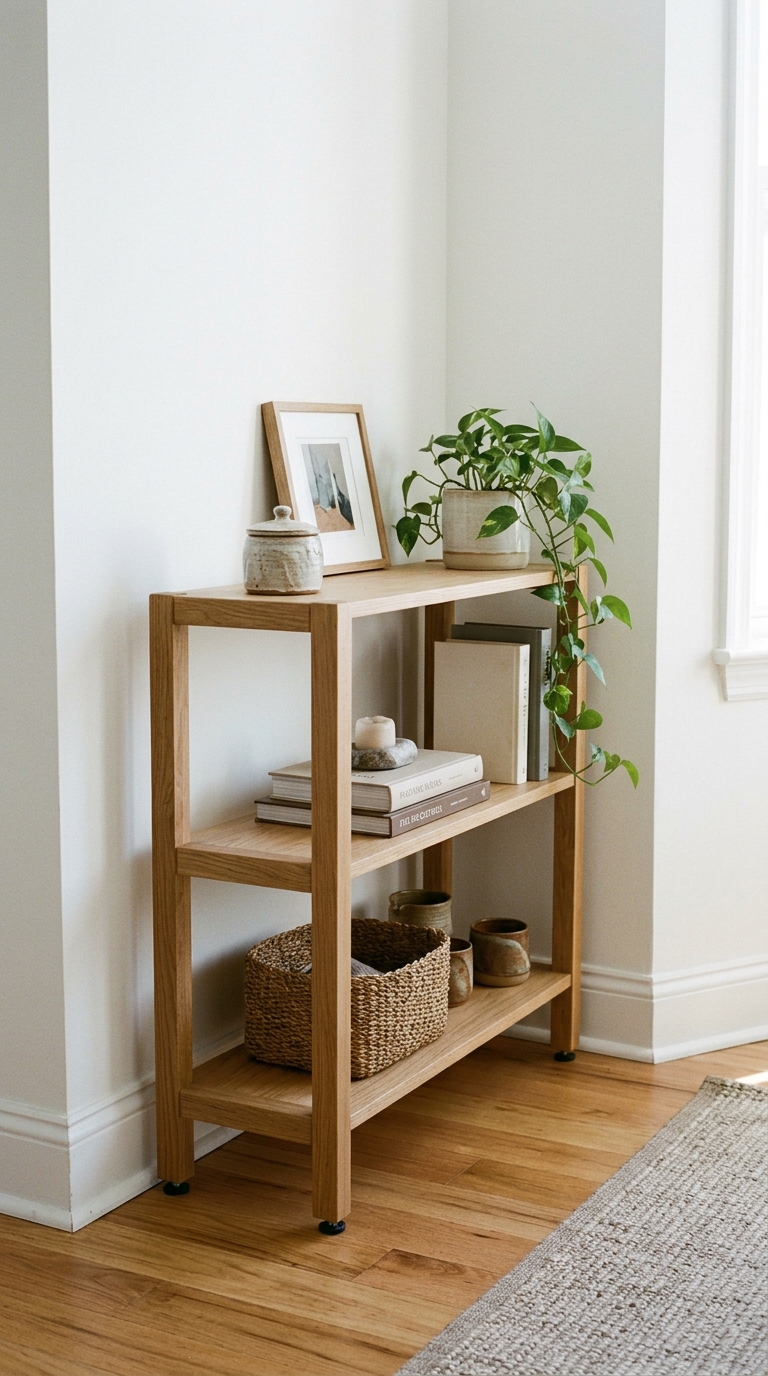
Renting doesn’t mean you have to leave your home exactly as you found it. It does mean thinking carefully about installation, potential damage and what you’ll need to undo when you move.
Freestanding shelves, portable lamps, washable textiles and removable decorative accessories can be practical options for changing a room without permanent alterations.
However, renter-friendly doesn’t automatically mean damage-free. Adhesive hooks can fail on unsuitable surfaces, and removable wallpaper may damage certain finishes despite the product’s claims.
Before buying, check the manufacturer’s installation instructions, surface requirements, weight limits and removal guidance. Review your lease before drilling, painting, changing fixtures or making other alterations that could affect the property.
Furniture safety also deserves attention. Tall bookcases and dressers can tip over, so don’t assume a freestanding piece is safe simply because it has a wide base. Follow the manufacturer’s anchoring instructions and arrange any necessary installation with your landlord when required.
The U.S. Consumer Product Safety Commission explains furniture tip-over prevention in its Anchor It! safety guidance.
A useful renter-friendly upgrade should make daily life easier without creating unnecessary damage, safety concerns or complications when it’s time to move.
What to Skip When the Discount Is Tempting
Some purchases look appealing until you consider the space, money and effort they will actually cost.
Furniture that’s too large. A discounted sofa isn’t a bargain if it blocks the path between your kitchen and living room. Measure the intended space and delivery route before ordering.
Storage that hides rather than solves clutter. Extra baskets won’t necessarily help if you haven’t decided what belongs in them. Sort your belongings first, then buy storage for what you intend to keep.
Bulk bundles with unnecessary extras. A set of six organizers may cost less per item, but that doesn’t make it better value if you need only two. Compare the cost of buying the quantity you actually need.
Décor that requires more purchases. Be cautious when one inexpensive cushion, lamp or accessory seems to demand several matching items before it works in your room.
Products you haven’t measured. Photographs cannot tell you whether a shelf will fit beneath a window or whether a storage box will clear your bed frame. Guessing can be particularly costly when return shipping is expensive.
Items with unsuitable installation requirements. Don’t assume you can drill into walls, replace fixtures or modify a rental property simply because the product is on sale.
There’s another purchase worth skipping: a replacement for something that still works perfectly well. If your lamp provides enough light or your shelves meet your needs, keeping them may be a better use of your money than buying a newer version at a discount.
How to Tell Whether a Black Friday Deal Is Actually Worth It

A sale banner tells you that a retailer is promoting an offer. It doesn’t tell you whether the product is good quality, whether the price is competitive or whether the purchase makes sense for your home.
Before checking out, work through these comparisons.
Compare the exact product. Match the model number, dimensions, materials, included accessories and specifications. Similar-looking items can differ in quality and functionality.
Look beyond the crossed-out price. Compare the offer with credible price-history information where available and with similar products that have comparable features. An advertised percentage reduction alone doesn’t establish that a deal is exceptional.
Calculate the full cost. Include shipping, applicable taxes, assembly, accessories and other charges. A lower advertised price may not produce the lowest final cost.
Read the return policy. Check the return window, eligibility requirements, restocking fees and return shipping costs. Large furniture may be more difficult or expensive to return than a small accessory. Confirm the retailer’s current terms before ordering.
Check the warranty and specifications. Understand what the warranty covers and for how long. For furniture, lighting and other functional products, pay attention to materials, load limits, compatibility and safety instructions.
Record the price before buying. If you’ve been considering an item for a while, note its current price and compare it with the sale offer. Price-history tools can help, although their coverage and accuracy vary.
Finally, ask yourself one simple question: would I still want this item if there were no sale banner?
If the answer is no, give yourself time to reconsider. A purchase you don’t need isn’t a saving, regardless of the advertised discount.
Should You Wait for Cyber Monday?
Cyber Monday is another opportunity to compare offers, but waiting doesn’t guarantee a better price.
In 2026, Black Friday falls on November 27 and Cyber Monday on November 30. If you’ve found a suitable product before Black Friday, compare its actual price and terms rather than assuming it will be cheaper on Monday.
Look at the same model, not merely a similar-looking alternative. Check the final price, available sizes or colors, delivery estimate, stock status and return conditions.
Waiting may make sense if the item isn’t urgent and the current offer doesn’t represent good value. Buying earlier may make sense if the product solves a real problem and the price, specifications and terms already meet your requirements.
Don’t assume a product will remain in stock, become cheaper or retain the same delivery options throughout the weekend.
For Evergreat Living readers, the better strategy is to compare the specific offer against your needs and budget. The shopping calendar should help you make a decision, not make it for you.
If you include live offers in this guide, verify each retailer’s current listing before publishing or updating it. Remove or revise any offer whose price, availability or terms have changed.
A Small-Home Shopping Checklist

Before buying a home upgrade, ask yourself:
- What specific problem will this item solve?
- Have I measured the product and the route it must travel through?
- Will it fit without obstructing doors, drawers or walkways?
- Is the installation suitable for my rental?
- Does the total cost fit my budget, including delivery and assembly?
- Have I compared the actual price and specifications?
- Are the return terms and warranty acceptable?
- Would I still want this item without the sale banner?
If you’re unsure about the fit, total cost or installation, pause until you have the information you need. Missing out on one offer is better than paying for a purchase that doesn’t work.
Frequently Asked Questions
Are Black Friday home deals worth it for renters?
They can be, particularly when a purchase replaces a worn essential or solves a recurring problem. Measure carefully, check rental restrictions and compare the final price before deciding.
What home upgrades are worth checking during Black Friday?
Lighting, bedding, washable textiles, compact multifunctional furniture, correctly sized storage and reusable décor are sensible categories to compare. The best choice depends on what your home actually needs and what the offer is worth.
Is Black Friday or Cyber Monday better for home deals?
Neither day is guaranteed to offer the lowest price. Compare the same product’s price, availability, delivery terms and return policy before deciding when to buy.
How can renters avoid buying furniture or storage that doesn’t fit?
Measure the available space and the product itself, including doors, drawers and other moving parts. Check the delivery route, too, and measure under-bed clearance or cupboard interiors rather than estimating.
How can I tell whether a home discount is genuine?
Compare the exact product against credible earlier prices and similar alternatives. Review the specifications and full checkout cost instead of relying only on a crossed-out price or advertised discount percentage.
Make the Sale Work for Your Home
The most useful Black Friday home deals for renters aren’t necessarily the biggest discounts or the products with the most attractive photographs. They’re the purchases that make your home more comfortable, functional and easier to maintain without creating another problem.
Choose your priorities, measure carefully and compare the full cost. If nothing meets your needs at a reasonable price, give yourself permission to buy nothing.
A smaller home doesn’t need more things by default. It needs the right things in the right places.