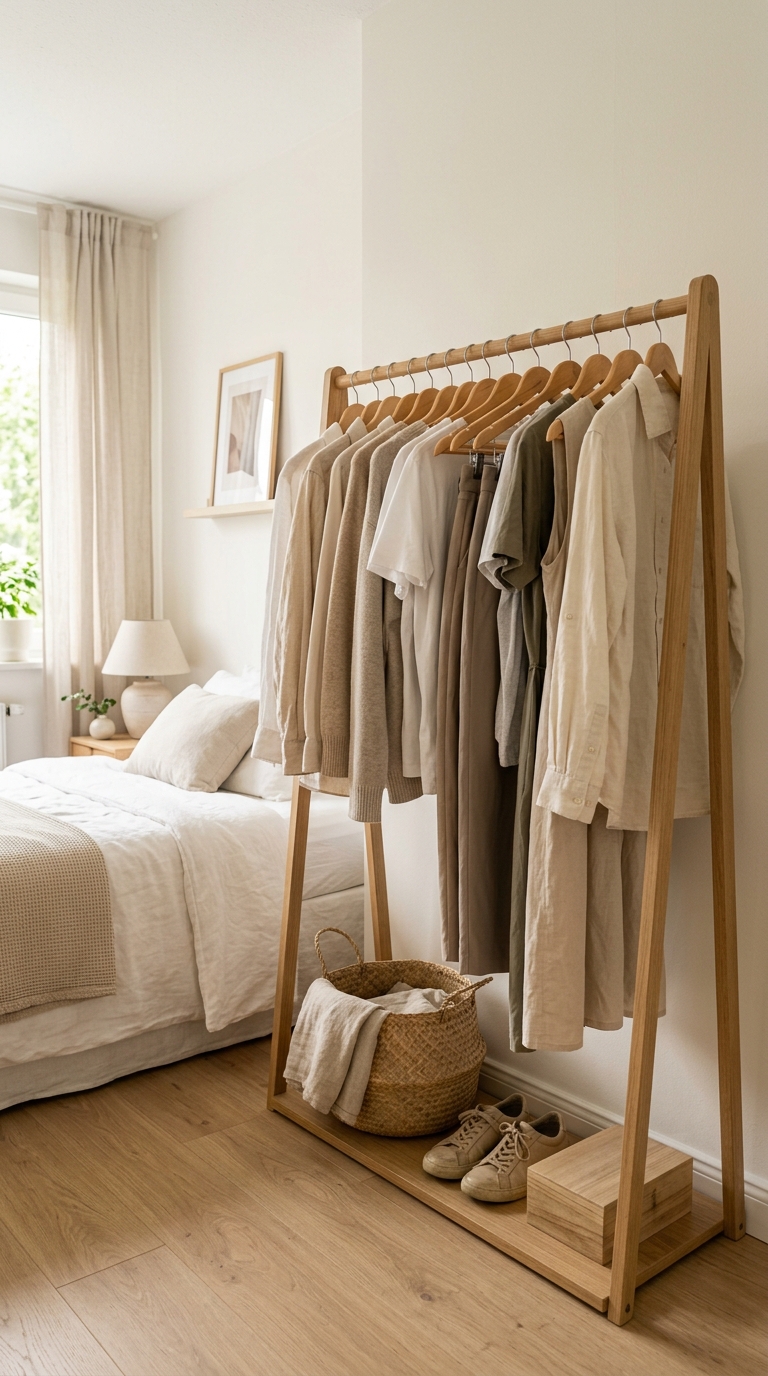
Tiny Closet Hanging Layout: 7 Space-Saving Wardrobe Hacks
Opening your bedroom wardrobe to a chaotic pile of wrinkled clothing can feel overwhelming. These tiny closet hanging layout ideas are especially useful when your storage space is limited in a compact apartment. In most cases, even a basic hanging setup fills up faster than expected, and mornings turn into a frustrating search for simple outfits in a cramped space.
Instead of forcing everything into a traditional setup, you can restructure your hanging area for better visibility and flow. This approach helps you use every inch of available space more efficiently without needing a full renovation.
With the right setup, your closet becomes easier to manage, more visible, and far less stressful to use every day.
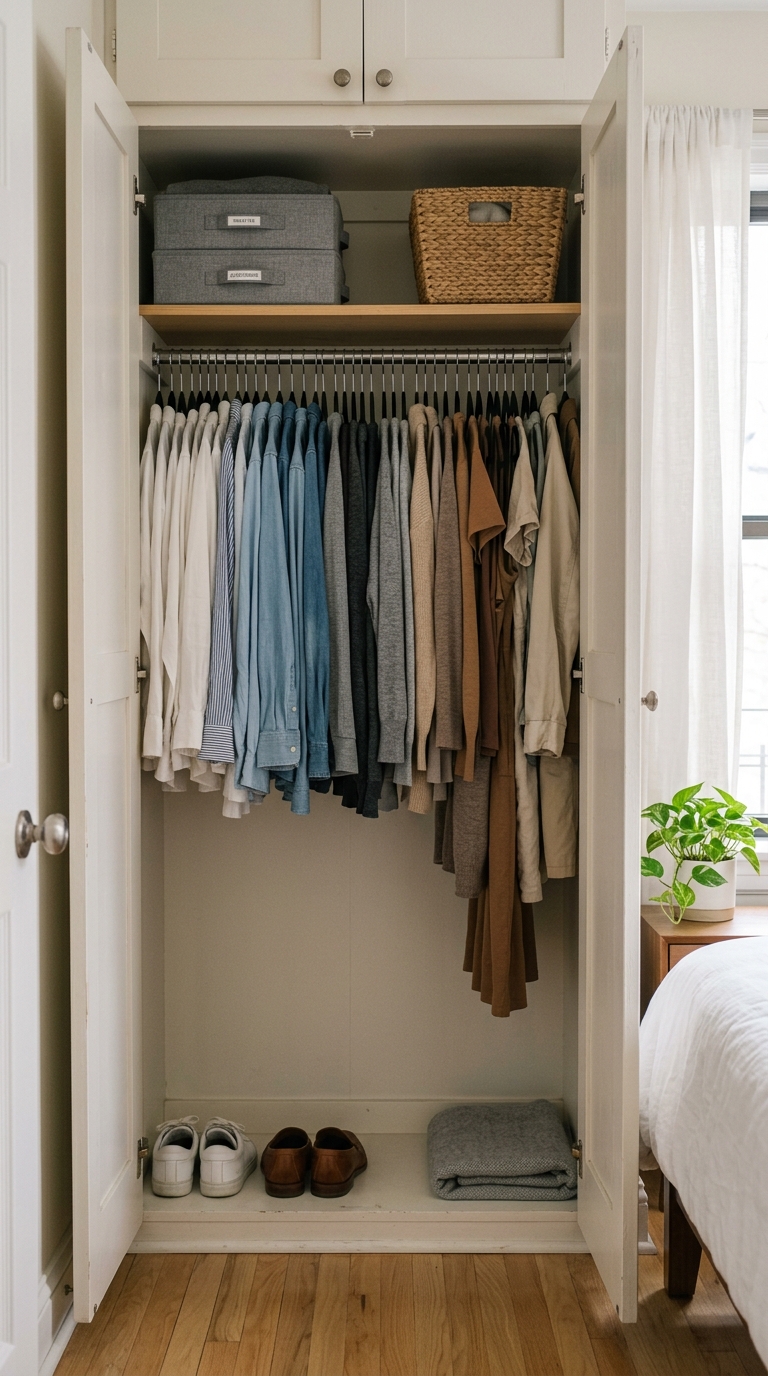
The Cascading Vertical Chain Track
The fastest way to fix a cramped wardrobe is to rethink how you use vertical space. Most people hang clothes on a single horizontal rod, moving from left to right. While this works in theory, it wastes a lot of unused space underneath each garment.
A better approach is to use a cascading vertical system that stacks clothing downward in tiers. Instead of spreading everything across one level, this method creates multiple hanging points within the same closet area. As a result, you instantly increase storage capacity without needing extra furniture or a bigger wardrobe.
This simple shift makes your closet feel more organized, more efficient, and easier to manage day to day.
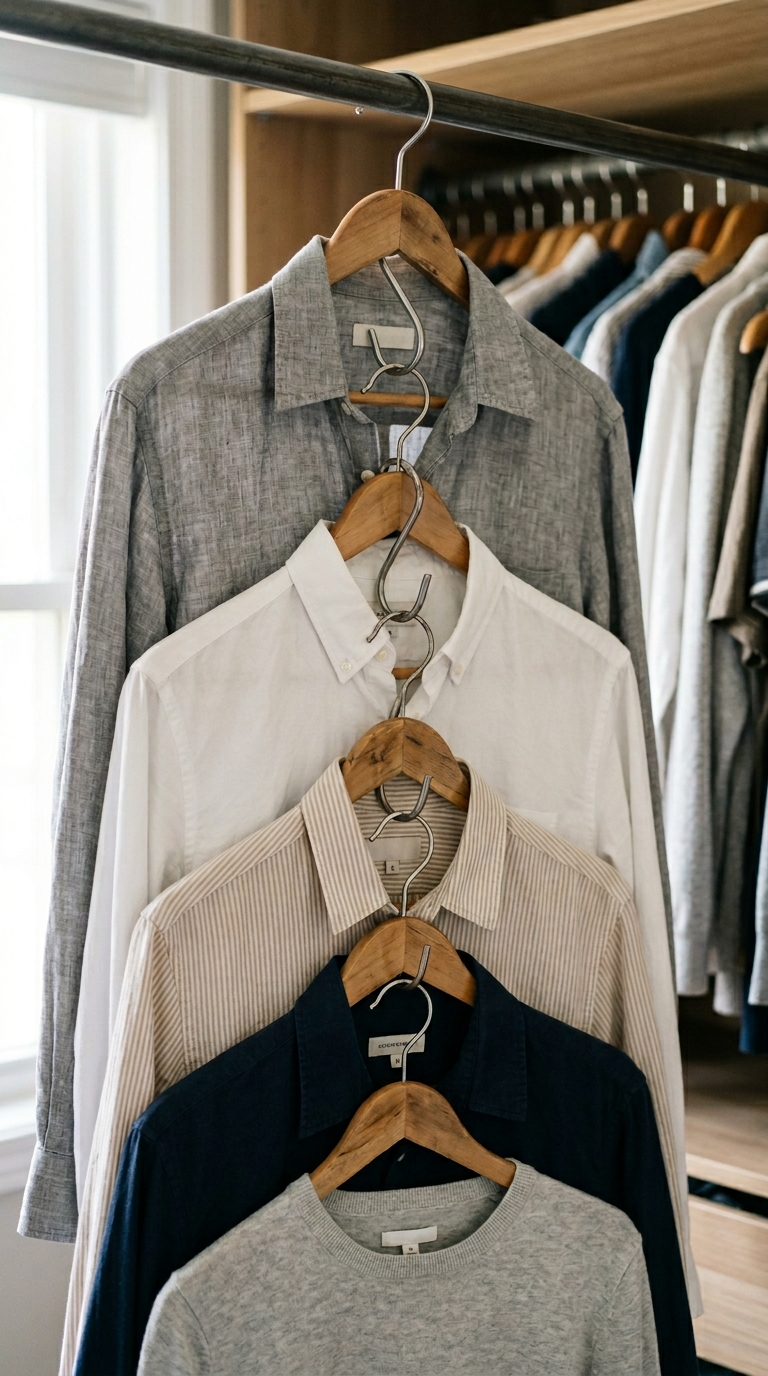
To set up this simple organization trick, start with a lightweight plastic utility chain or a set of small metal S-hooks. Attach the top loop securely to your main clothing hanger so it can carry the weight of your garments safely.
From there, hang your first item as usual, then let the chain or hook system extend downward. Each lower loop becomes an additional hanging point for another piece of clothing.
This cascading setup allows you to stack multiple garments vertically in a neat, staggered line. Instead of spreading clothes across a single rod, you create layered storage within the same space. As a result, you free up valuable horizontal hanging room while keeping everything visible, accessible, and relatively wrinkle-free.
The Double-Rod Drop Extension Tiny Closet Hanging Layout
If you prefer a simpler alternative to cascading chains, you can increase your hanging space by adding a second clothing rod inside your wardrobe. This approach splits your closet into two separate levels instead of relying on a single horizontal bar.
The upper rod can hold shorter items like shirts and jackets, while the lower rod is ideal for trousers, skirts, or folded-hanging pieces. This simple adjustment instantly creates a more organized structure inside the same closet frame.
By using a double-rod setup, you effectively expand your storage capacity without any permanent modifications. It’s a practical way to make better use of vertical space while keeping your wardrobe neat and easy to access.
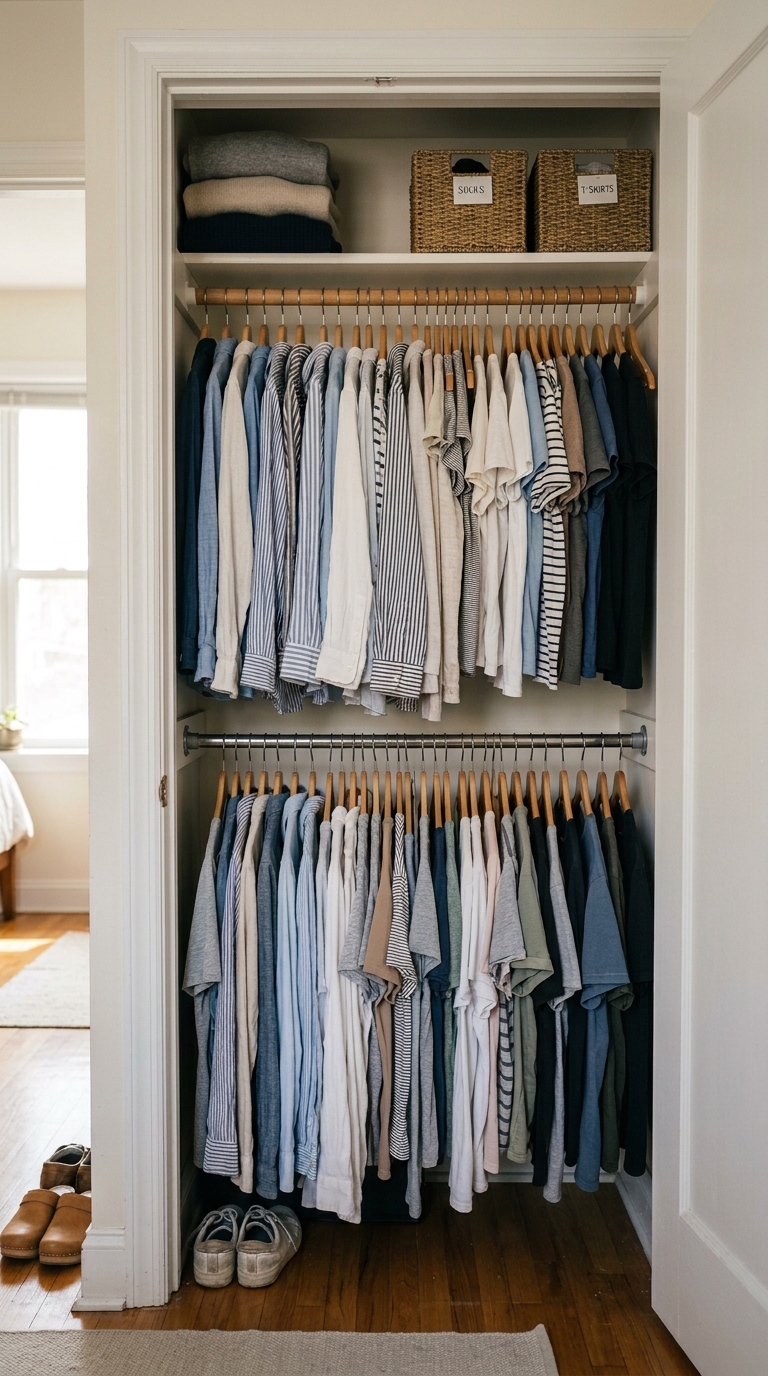
To set up this layout, use an adjustable hanging closet extender rod. This type of accessory attaches over your existing upper rod using two support straps, so no drilling or permanent changes are needed. The second bar hangs lower inside the wardrobe, making use of the empty vertical space beneath your shorter garments.
This creates a clear two-level hanging system inside the same closet. You can place lighter items like t-shirts and blouses on the top rod, while the lower rod works well for trousers, skirts, and folded denim pieces.
The result is a more organized wardrobe where everything is separated by type and easier to reach. Instead of a single overcrowded rod, your clothes are now distributed across two levels, improving both visibility and daily convenience.
The Uniform Slim Velvet Profile Swap
Sometimes the biggest problem in a cramped wardrobe isn’t the space itself, but the hangers inside it. Thick plastic or bulky wooden hangers take up unnecessary room and quickly reduce how many clothes your rod can hold.
Switching to slim velvet hangers creates an instant improvement. Because they are much thinner and uniform in shape, they allow your clothes to sit closer together without overcrowding or slipping.
This simple change increases your available hanging space while also giving your wardrobe a more organized and consistent look.

To apply this upgrade, Switch to slim, uniform velvet hangers on Amazon, which are especially effective because their thin profile allows clothes to sit much closer together without slipping off.
These hangers take up significantly less space than bulky plastic or wooden alternatives, helping you free up extra room along your wardrobe rod without changing your closet structure.
Over time, this simple swap creates a more consistent and organized layout, making your clothing easier to see, access, and manage.
The Categorized Length Ascending Tiny Closet Hanging Layout Grid
One common mistake in small wardrobes is hanging clothes without any order. When long dresses, coats, and short tops are mixed randomly, the clothing rod becomes uneven and visually cluttered. This often spills into a messy, hard-to-navigate closet space.
A better approach is to organize your clothes by length. Arrange longer items like dresses and coats on one side, and gradually move toward shorter pieces like shirts and tops. This creates a cleaner visual flow and makes better use of the vertical space inside your wardrobe.
As a result, your closet feels more structured, easier to use, and less cramped overall.
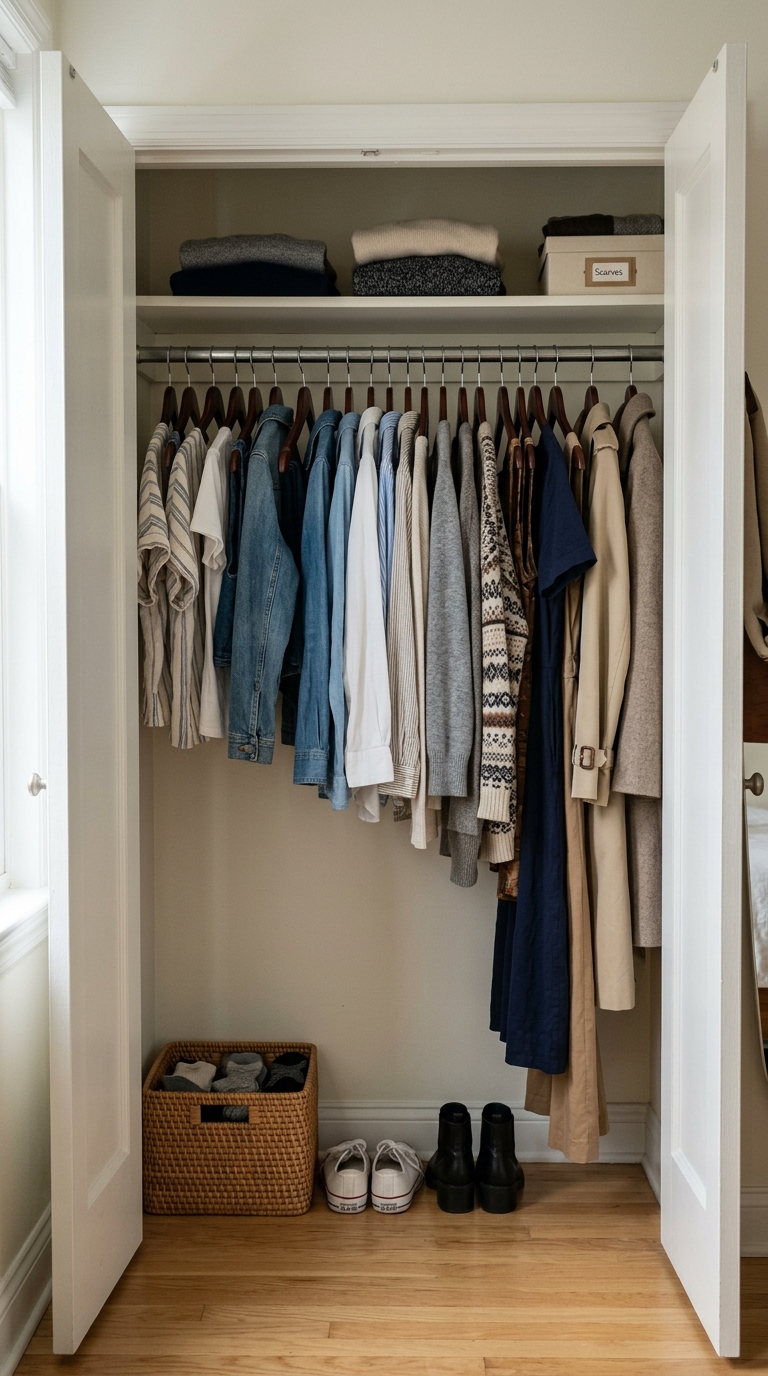
To apply this layout, start by taking all your clothes off the rod and sorting them by length. Place shorter items like crop tops, t-shirts, and tank tops on one side of the closet. Next, move into mid-length pieces such as shirts, cardigans, and blazers. Finally, position longer items like coats, maxi dresses, and long cardigans on the opposite end.
When arranged this way, your clothing naturally forms a gradual slope from short to long. This creates a cleaner visual flow and makes the entire wardrobe easier to scan at a glance.
It also opens up usable space beneath the shorter section of the rod. You can take advantage of this area by adding low storage bins or a compact shoe organizer, helping you keep the floor neat and functional without adding extra furniture.
The Pull-Out Valet Rod Anchor
Most wardrobes only use the main horizontal clothing rod, while the side walls inside the closet are often left completely empty. This unused space can actually be very useful for short-term hanging and outfit planning.
A pull-out valet rod solves this by adding a small extendable bar that slides out from the side of the wardrobe. When needed, you can pull it forward to hang clothes temporarily without crowding your main rod.
This simple addition helps you use hidden side space more efficiently while keeping your main hanging area clear and organized.
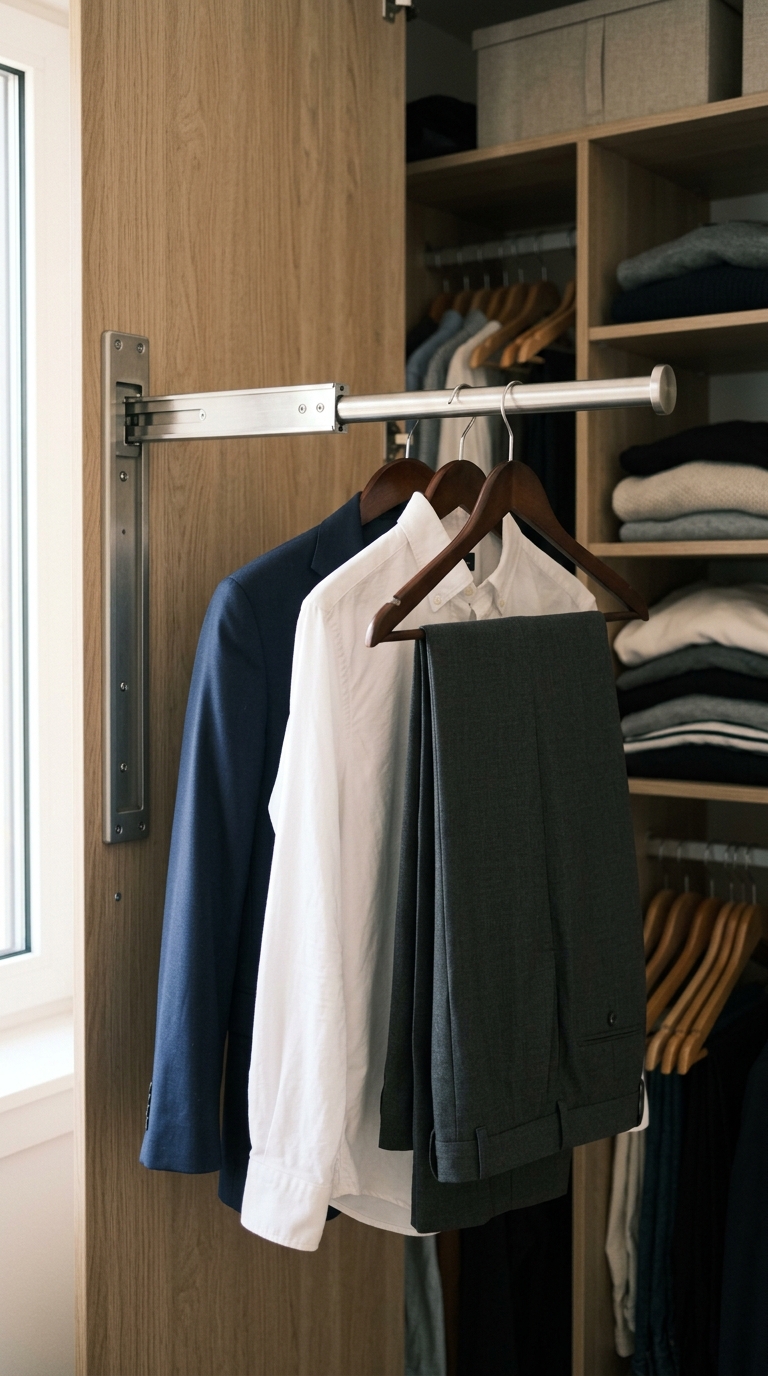
To create this setup, use a budget-friendly telescopic valet rod. This type of rod slides in and out from a compact base fixed to the side of your wardrobe or internal wall. It extends forward when you need extra hanging space and folds back when not in use.
For renters, the base can be attached using strong, damage-free adhesive strips instead of screws, making it easy to install without permanent changes.
This design works well as a small staging area for outfits. You can pull the rod out to prepare clothes for the next day, then slide it back in to keep your walking space clear and uncluttered.
The Zero-Dollar Soda Can Tab Layering Hack
If you like the idea of vertical cascading storage but want a completely free solution, you can use items already in your recycling bin. Soda can tabs can be repurposed as simple connectors to create extra hanging points on standard clothing hangers.
This method works by linking hangers together using the small metal tabs, allowing them to hang in a vertical sequence instead of taking up separate space on the rod.
It’s a simple way to increase hanging capacity without buying additional organizers or changing your closet setup.

To use this method, start by removing the small aluminum tabs from empty soda cans and rinsing them clean. These tabs will act as simple connectors between hangers.
Slide one tab over the hook of a standard clothing hanger so it sits securely at the top. Then attach a second hanger into the lower opening of the same tab. This links the two hangers in a vertical line.
This setup allows you to stack garments on top of each other instead of spreading them across the rod. It works well for pairing outfits or grouping similar clothing items while saving horizontal hanging space inside your wardrobe.
Off-Season Vacuum Compression Bags for Your Tiny Closet Hanging Layout
One of the biggest challenges in a small wardrobe is trying to store clothes for all seasons at the same time. Heavy winter jackets, thick sweaters, and puffer coats take up far more space than lightweight summer clothing, quickly overcrowding your hanging rod.
When everything is stored together, the closet becomes tightly packed and difficult to navigate. Hangers stop sliding properly, and the entire system feels cramped.
Using vacuum compression bags for off-season clothing helps solve this problem. By storing bulky items in a compressed form, you free up significant hanging space for your everyday wardrobe. This keeps your closet more open, easier to manage, and better suited for daily use.
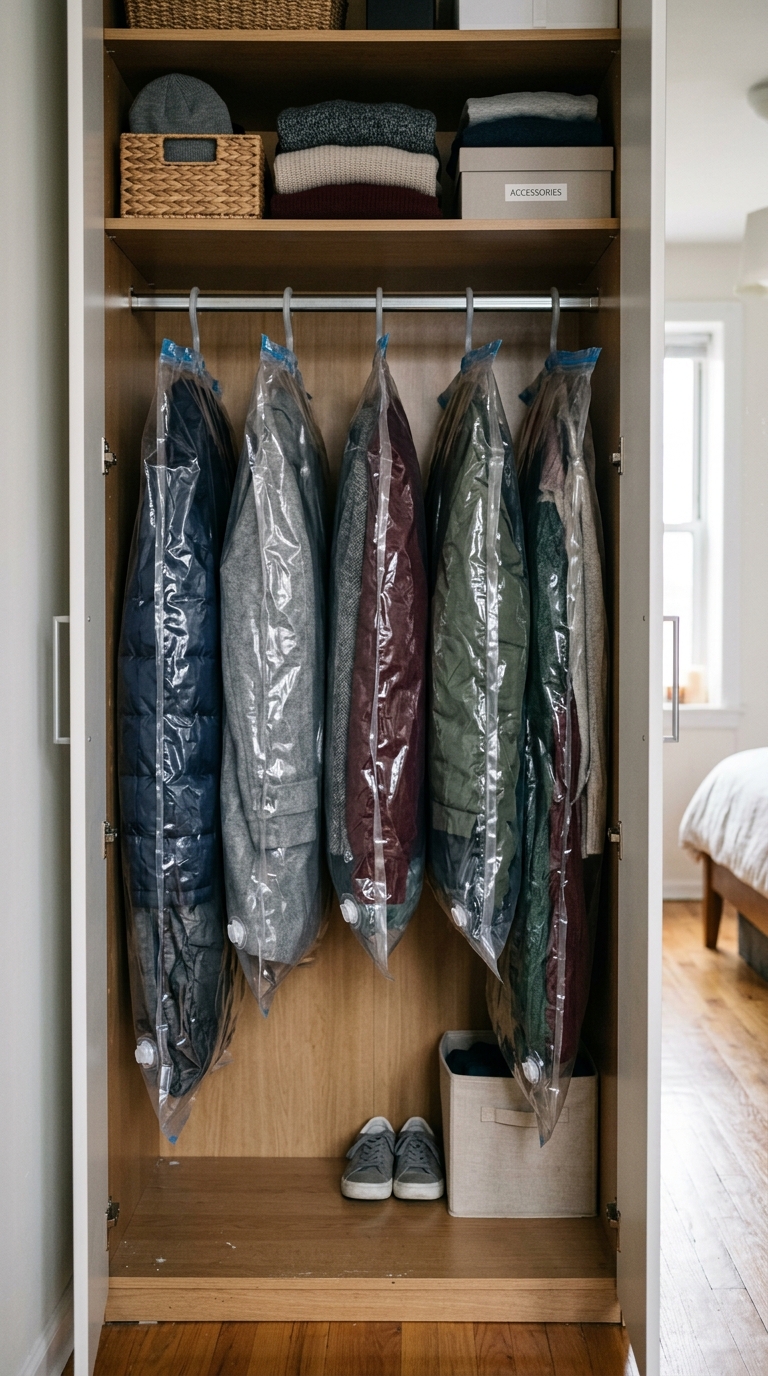
To set up this system, use a pack of vertical vacuum storage bags designed with built-in hanger hooks. These bags allow you to hang multiple clothing items inside a sealed, airtight compartment.
Place your heavier off-season items, such as winter coats and thick jackets, onto the internal hanging frame. Once filled, seal the bag tightly and use a vacuum cleaner to remove the air through the valve.
As the air is removed, the bag compresses and reduces the bulk of your clothing significantly. This frees up a large amount of space on your main closet rod.
You can then hang the compressed bag directly on your wardrobe bar and slide it into a corner or low-use area. This keeps your seasonal clothing protected while making your everyday wardrobe easier to access and more organized.
Reclaiming Your Wardrobe Serenity
A well-organized bedroom wardrobe does not need custom cabinets or expensive storage systems. Smart layout choices help you use the space you already have and reduce daily clutter.
Start by resetting your wardrobe. Empty your clothing rod, remove unused items, and clear floor clutter. Once everything becomes visible, you can rebuild a more functional setup with better flow and structure.
If you want to explore broader strategies, read our guide on Small Bedroom Clothes Storage Ideas to Save Space to discover more ways to maximize every corner of your room.
After you reorganize your wardrobe, simple routines like getting dressed become easier and faster. A well-planned layout also improves visibility and reduces daily stress. This is why Small Bedroom Clothes Storage Ideas work so well in tight spaces—they turn limited rooms into highly functional living areas.
In the end, a thoughtful tiny closet hanging layout transforms a crowded space into a calm and practical part of your home.
Frequently Asked Questions About a Tiny Closet Hanging Layout
How much weight can a standard tension closet rod safely hold?
The weight capacity of a tension closet rod depends on the material and how securely you install it. Most heavy-duty steel rods can hold around 30–50 pounds when fitted properly.
To prevent sagging or slipping, avoid placing too much weight in one area. Spread heavier items like jackets across both ends of the rod instead of clustering them in the middle. This helps your tiny closet hanging layout stay stable and organized over time.
What is the easiest way to organize a small shared wardrobe on a budget?
The easiest approach is to divide the closet into two clear sections. Give each person a dedicated area to prevent clothes from getting mixed together.
Switching to matching slim hangers can instantly create more space. You can also add simple dividers, labels, or cascading hanger systems to keep everything organized without adding clutter.
Can space-saving hangers damage delicate sweaters?
Yes. Heavy knit sweaters can stretch when you hang them incorrectly for long periods.
To protect delicate fabrics, fold sweaters instead of hanging them by the shoulders. You can also store them on a shelf or inside breathable baskets to help them keep their shape.
How do I prevent damp or musty smells in a small closet?
Good airflow is one of the best ways to prevent musty odors. Avoid packing clothes so tightly that air cannot move between them.
Leave small gaps between hangers and open the closet occasionally to improve circulation. Cedar sachets or charcoal odor absorbers can also help reduce moisture and keep clothes smelling fresh.