
Budget Home Decor Ideas That Look Expensive (25 Easy Tips)
Budget home decor ideas can completely change the way your home feels without requiring a huge decorating budget. If you’ve ever looked around your home and thought, “I just want it to feel a little more finished,” you probably don’t need to replace everything.
Sometimes a room needs better lighting, a little texture, less visual clutter, or a few pieces that work together. You don’t need designer furniture to create a polished look. Whether you’re refreshing a small apartment, updating a bedroom, or warming up your living room, these budget home decor ideas can help you make thoughtful changes without overspending.
This post may contain affiliate links. I may earn a small commission at no extra cost to you.
Quick Budget Home Decor Ideas at a Glance
If you want to start small, these are some of the easiest places to begin:
- Best no-cost update: Rearrange your furniture.
- Best DIY project: Create your own wall art.
- Best small-space trick: Use a mirror to reflect light.
- Best cozy upgrade: Layer your bedding.
- Best renter-friendly update: Try removable wallpaper after checking the product’s removal instructions.
- Best free decorating tip: Declutter before buying anything.
- Best place to find unique pieces: Explore thrift stores and local resale listings.
You don’t have to try all 25 ideas. Choose the one that solves the problem you’re noticing in your home right now. A single thoughtful change can be more effective than buying several new decorations.
LIVING ROOM IDEAS
The living room is often where we notice the difference between a room that simply has furniture and one that actually feels decorated. Fortunately, you can create that feeling without replacing your sofa.
1. Add Neutral Throw Pillows For a Cozy Look

If your sofa looks a little plain or your living room feels cold, throw pillows are an easy place to start.
You don’t need a dozen pillows. A few in soft neutrals such as cream, beige, taupe, or soft gray can instantly make a sofa feel more inviting. Instead of buying pillows that all look exactly the same, mix textures and sizes—a woven pillow beside a linen-look one, for example.
The trick is to choose colors that already exist somewhere else in the room. When your pillows, rug, curtains, or artwork share a few tones, inexpensive pieces start to look like they belong together.
If you love this softer, uncluttered style, you’ll also enjoy these Cozy Minimalist Living Room Ideas.
2. Use Mirrors to Brighten the Room

A dark or cramped living room can feel different with a well-placed mirror.
Instead of covering a wall with several tiny mirrors, try one larger mirror with a simple frame. Position it where it can reflect natural light from a window or highlight an attractive part of the room.
You don’t need an expensive designer mirror, either. Check thrift stores, Facebook Marketplace, estate sales, or budget home stores. A secondhand mirror with an interesting frame can add more character than a brand-new one.
Pay attention to what the mirror reflects. If it faces a cluttered corner, it may draw more attention to the mess rather than make the room feel brighter.
For safety, secure heavy mirrors using appropriate hardware for the wall and the mirror’s weight. In homes with young children, avoid placing unsecured mirrors where they could tip or fall.
3. Create DIY Wall Art

You don’t need expensive artwork to make a wall feel finished. In fact, creating your own art can be one of the easiest ways to get a personalized look for very little money.
Start with simple printable designs. You can find free or inexpensive abstract prints, line drawings, botanical artwork, or minimalist designs online. Print them at home for smaller pieces or use a local print shop for larger sizes.
Don’t have a printer? Try something even simpler.
Frame a beautiful piece of fabric, an old book page, your own photography, pressed leaves, or even a child’s artwork. You can also make simple abstract art with a canvas, paper, and a few paint colors that already work with your room.
Once you’ve chosen your pieces, don’t immediately start putting holes in the wall. Lay the frames on the floor first and move them around until the arrangement feels balanced. Keep some consistency in the frame colors or artwork palette, and leave enough space between pieces so the wall doesn’t feel crowded.
That’s what makes the difference. The art doesn’t have to be expensive—the arrangement needs to look intentional.
4. Decorate With Indoor Plants

Sometimes a room has all the right furniture but still feels lifeless. A plant can soften hard surfaces and introduce a natural element.
You don’t need several large plants. One healthy plant in a simple pot can be enough.
Choose a plant based on the amount of light your room actually receives. Pothos and snake plants are popular choices because they’re relatively forgiving, but check their care requirements before bringing one home.
If you have pets or young children, check whether a plant is toxic if chewed and place it where it can be kept safely.
5. Rearrange Your Furniture

Before spending a single dollar, try moving your furniture.
If everything is pushed against the walls, bring some pieces inward if the room allows it. Create a clear path through the room and make sure the seating feels connected rather than scattered.
Sometimes a room feels small because the furniture arrangement interrupts the flow. Moving a chair, repositioning a side table, or turning the sofa toward a more useful focal point may make the space work better.
Don’t force a layout that blocks doors, windows, or walkways. The aim is to make the room more comfortable to use, not simply to make it look different.
If your TV area is one of those spaces you never quite know how to style, these TV Stand Decor Ideas can help.
BEDROOM DECORATING IDEAS
Your bedroom doesn’t need to look like a hotel to feel special. It just needs to feel comfortable, calm, and intentional.
6. Layer Affordable Bedding

A well-made bed can become the focal point of a bedroom, even when the bedding isn’t expensive.
Start with simple sheets and your everyday comforter or duvet. Then add a folded throw blanket at the foot of the bed and a few pillows in coordinating colors.
Mixing textures is often more effective than buying everything from the same expensive collection. A knitted throw, cotton bedding, and a textured pillow can create a layered look without making the bed feel fussy.
You don’t need ten decorative pillows, either. Keep enough room to sleep comfortably and store the extra pillows somewhere practical at night.
7. Improve Your Lighting With Soft, Warm Light

If your bedroom feels harsh at night, the problem may not be the decor. It may be the lighting.
Instead of relying entirely on one bright overhead light, add smaller sources of light around the room. A bedside lamp, floor lamp, or wall light can make the space feel warmer and more comfortable.
When choosing LED bulbs, consider both brightness and light appearance. ENERGY STAR’s guide to LED lighting is a useful resource for understanding your options.
You don’t have to replace every bulb at once. Start with the light you use most often in the evening and see whether a warmer, more comfortable setting makes a difference.
8. Create a DIY Headboard

If your bed looks unfinished because there’s nothing behind it, you don’t necessarily need to buy a traditional headboard.
There are several inexpensive ways to create a similar visual effect.
You could stretch fabric over a suitable board for a soft upholstered look, hang a large piece of artwork behind the bed, create a painted arch on the wall, or use removable wallpaper to define the area.
Even a carefully arranged collection of frames above the bed can create a headboard effect.
The idea is to give the wall behind the bed some visual weight so the bed doesn’t look as though it’s floating against an empty wall. Make sure anything mounted above the bed is securely installed.
9. Use Decorative Baskets for Storage

Storage doesn’t have to look like storage.
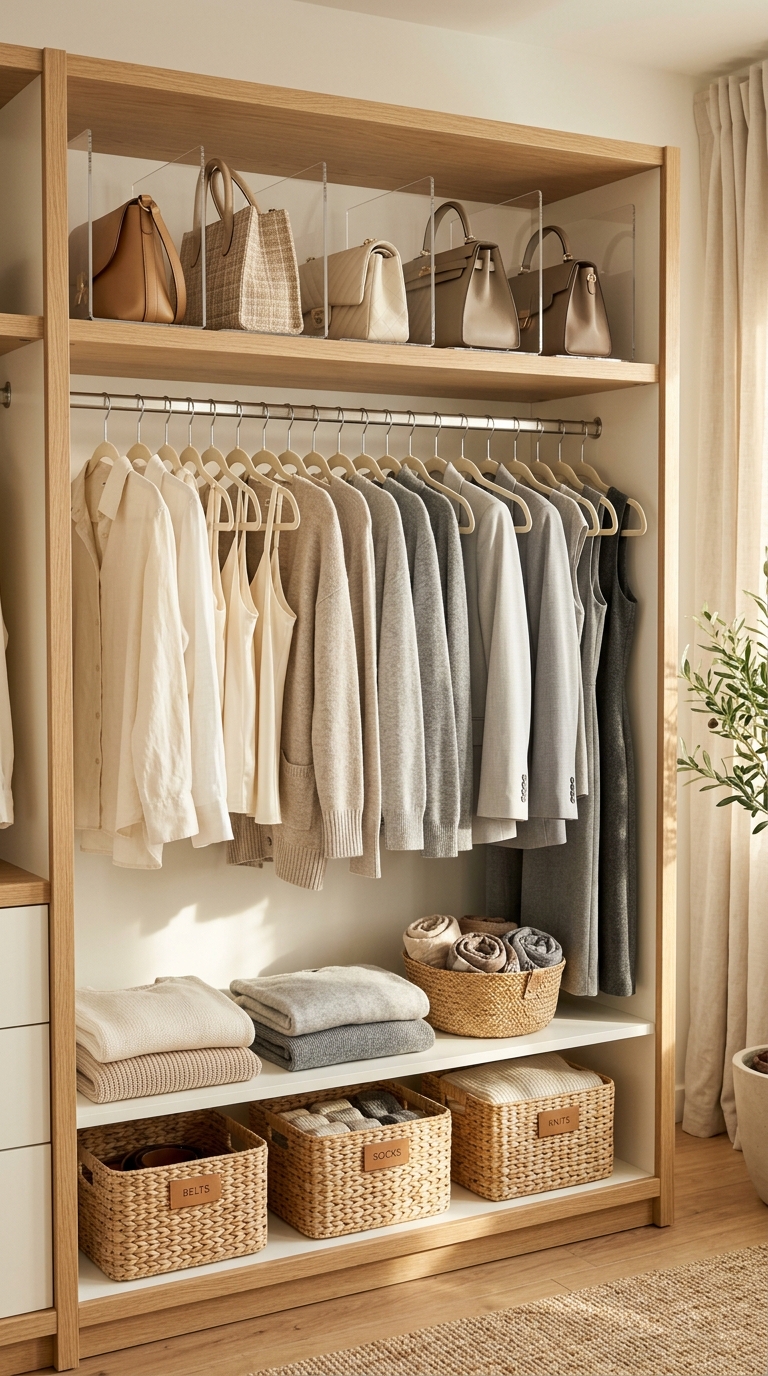
A few attractive baskets can hold blankets, extra linens, accessories, or clothes while adding warmth and texture to the bedroom. Woven materials such as seagrass, rattan, or wicker can work especially well with neutral decorating styles.
Use baskets where you actually need them—under a console, on a suitable shelf, beside the bed, or under the bed if there is enough clearance.
Choose sizes that fit the space rather than buying baskets simply because they look attractive. Oversized baskets can take up valuable floor space in a small bedroom.
If clothes are taking over your bedroom, these Small Bedroom Clothes Storage Ideas can help you make better use of the space you already have.
10. Hang Curtains Higher

Your windows may not be the problem. Your curtain placement might be.
When possible, hang the curtain rod several inches above the window frame and let the curtains fall close to the floor. This draws the eye upward and can make the ceiling feel taller.
Choose curtains that complement the room rather than compete with everything else. Soft neutrals and simple textures are especially easy to work with.
Also, make sure the panels are wide enough to look full when they’re closed. Curtain panels that are too narrow can make even a beautiful room feel unfinished.
If you’re renting, check the rules about drilling before installing a new curtain rod. Tension rods or other suitable no-drill options may work for some windows.
KITCHEN AND DINING IDEAS
You don’t have to remodel a kitchen to make it feel fresher. Small changes to the things you touch and see every day can go a surprisingly long way.
11. Replace Cabinet Handles

New cabinet hardware is a small change that can make an older kitchen feel more current.
Before buying anything, measure the distance between the existing screw holes. This helps you avoid purchasing handles that don’t fit.
Then choose a finish that works with the rest of your kitchen. Black, brushed nickel, brass, and other finishes can all work. The important thing is choosing something that suits the cabinets and feels consistent with the room.
You don’t need the most expensive hardware. Clean, simple shapes often look more polished than overly decorative ones.
If you’re renting, check whether you can replace the hardware and keep the original pieces so you can reinstall them when you move.
12. Style a Simple Table Centerpiece

A dining table doesn’t need to be covered in decorations to look beautiful.
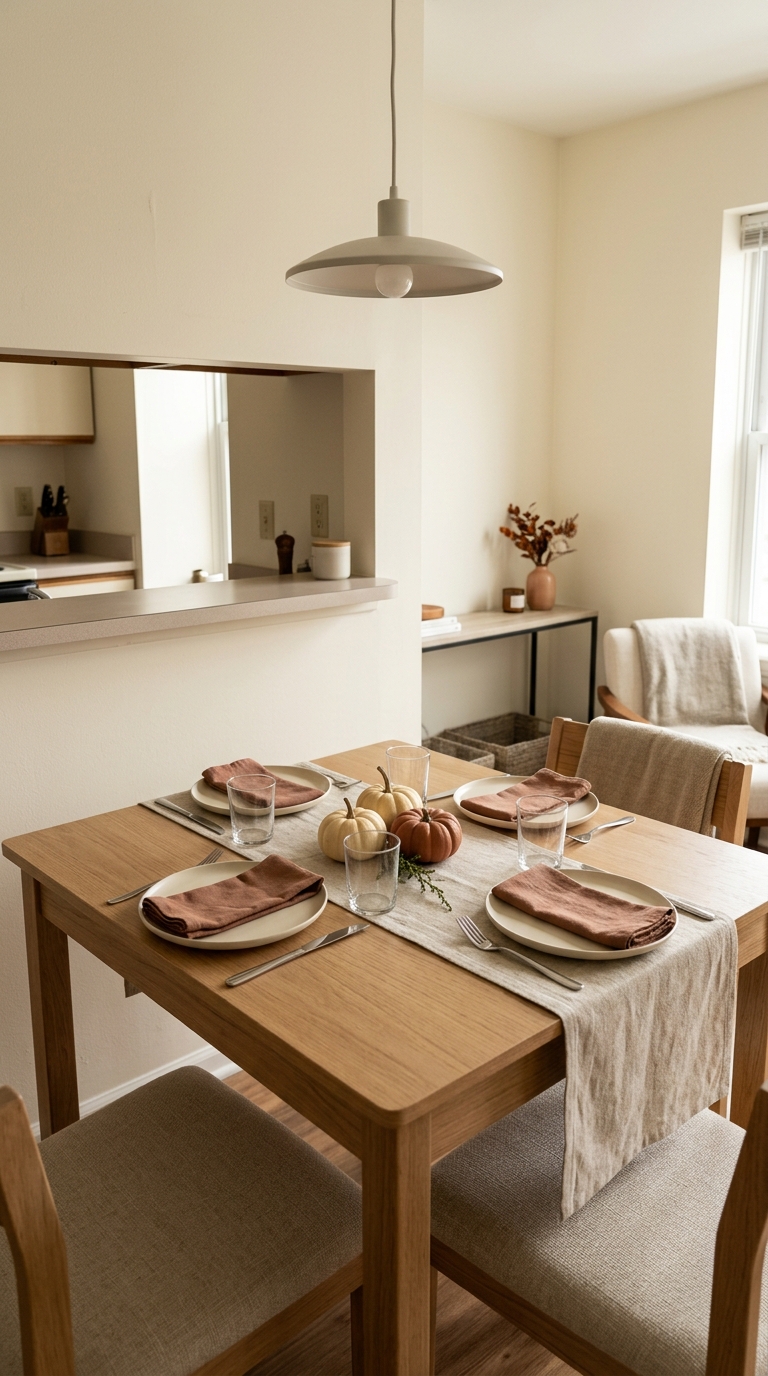
Try a simple vase of greenery, a bowl of fruit, or a small tray with a decorative object and candle.
If you use several pieces, keep them visually connected. A wooden tray with a small vase, for example, will usually feel more intentional than several unrelated objects scattered across the table.
Leave enough of the table empty for meals, homework, or other everyday activities. That breathing room is part of the look—and it makes the centerpiece easier to move when you need the space.
13. Display Beautiful Items on Open Shelves

Open shelves can quickly become messy because everything is visible.
The easiest way to make them look polished is to start by taking everything off. Then put back the things you actually use or genuinely like.
Mix practical pieces with a few decorative items, vary their heights, and group similar colors or materials together. You might display a few everyday dishes beside a small plant or a simple framed print.
You don’t have to fill every inch of the shelf. Leaving some empty space makes the items you display stand out.
Most importantly, keep frequently used items easy to reach. A shelf can look attractive and still be practical.
14. Grow a Small Herb Garden

A few herbs on a sunny kitchen windowsill can add greenery while also giving the space a useful purpose.
Basil, mint, parsley, and rosemary can be good options when the growing conditions suit them. Check the light and watering needs of the herbs you choose.
You don’t need special planters. Small terracotta pots or suitable recycled containers can work, provided they allow excess water to drain safely.
Keep the arrangement small enough that it doesn’t turn your counter into another clutter zone. If the windowsill doesn’t receive enough light, choose another location rather than expecting the herbs to thrive there.
15. Use Contact Paper on Countertops

If your countertops look dated but a full replacement isn’t in the budget, countertop contact paper or a suitable peel-and-stick covering may provide a temporary visual refresh.
Stone-inspired patterns and subtle solid finishes can be easier to coordinate with the rest of the kitchen than very busy designs.
Preparation matters. Clean and dry the surface thoroughly, measure carefully, and apply the material slowly while smoothing out air bubbles. Follow the product instructions for the surface, heat exposure, cleaning, and removal.
Do not assume every peel-and-stick covering is suitable for areas around a stove, hot appliances, or food-preparation surfaces. Check the manufacturer’s limitations before applying it, and keep unsuitable materials away from heat.
If you’re renting, check your lease and the removal instructions before applying anything.
For a more detailed renter-friendly countertop makeover, see Renter-Friendly Peel-and-Stick Countertops.
BATHROOM DECORATING IDEAS
Because bathrooms are usually smaller than other rooms, even simple changes can have a big visual impact. The goal is to make the space feel clean and coordinated without filling every surface.
16. Coordinate Towels and Accessories

You don’t need a completely matching bathroom, but a simple color palette can make it feel much more pulled together.
Choose two or three colors that work with your existing bathroom and repeat them through towels, bath mats, storage containers, or small accessories.
Even something as simple as replacing tired, mismatched towels with a fresh coordinated set can make the room feel more polished.
17. Organize With a Decorative Tray

If your bathroom counter is always covered with skincare, soap, perfume, or other everyday items, a small tray can make the mess feel much more contained.
Place the things you use regularly on the tray and leave everything else in a drawer or cabinet.
The tray isn’t meant to give you permission to display everything. Its job is to create one intentional area instead of having small items scattered across the countertop.
18. Add a Small Bathroom Plant

A little greenery can make a bathroom feel softer, but choose the plant based on the room’s actual conditions.
A bright bathroom with a window gives you many more options than a dark bathroom with no natural light. Humidity alone doesn’t mean every plant will thrive there.
If your bathroom is too dark for a real plant, a realistic artificial option can give you the same visual softness without struggling to keep a plant alive.
19. Frame Your Bathroom Mirror

A large frameless mirror can sometimes make a bathroom feel unfinished.
If the existing mirror is in good condition, adding a simple frame can give it more presence without replacing the whole thing.
You can create a frame from appropriately finished trim or use a purpose-made mirror framing kit. Measure carefully before cutting or purchasing anything, and use materials and adhesives suitable for a humid bathroom.
For renters, choose a solution that can be removed without damaging the wall or mirror.
20. Upgrade Your Shower Curtain

Your shower curtain takes up a surprisingly large amount of visual space, which means changing it can refresh the entire bathroom.
Look for a simple textured fabric, soft stripe, subtle pattern, or neutral color that connects with your towels and other accessories.
You can also replace the curtain rings if the existing ones look worn.
Sometimes this one change is enough to make an otherwise tired bathroom feel cleaner and more intentional.
GENERAL BUDGET HOME DECOR TIPS
These final five ideas aren’t tied to one room. They’re the habits that help inexpensive decor look more thoughtful throughout your home.
21. Use Candles and Diffusers to Make the Room Feel Inviting

Decorating isn’t only about what your home looks like. It’s also about how it feels when you walk through the door.
A candle or reed diffuser can add warmth and make a room feel more welcoming. Place one on a tray, coffee table, bathroom counter, or bedside table where it fits naturally.
Choose scents you genuinely enjoy rather than trying to make every room smell different.
Keep scents light, and never leave a burning candle unattended.
22. Create a Gallery Wall

A gallery wall is a great way to make a blank wall feel personal without buying expensive artwork.
You can use family photographs, printable art, children’s drawings, thrifted artwork, postcards, or other meaningful pieces.
Before hanging everything, arrange the frames on the floor. Start with your largest piece and build around it, keeping the spacing reasonably consistent.
You don’t have to cover the entire wall. A smaller, carefully edited gallery often feels more sophisticated than trying to fill every available inch.
23. Try Removable Wallpaper

If a room feels boring but you don’t want to commit to a full renovation, removable wallpaper can create a focal point quickly.
You could use it behind a bed, on one accent wall, inside a small entryway, behind open shelving, or in a home office.
For a small home, using it in one strategic area is often enough. You get the visual impact without introducing another pattern into every corner of the room.
If you’re renting, check the product’s removal instructions and test a small area before committing to a larger installation.
24. Declutter Your Space

This might be the least exciting idea on the list, but it’s one of the most effective.
If you’ve ever bought another pretty basket, another pillow, or another decorative object because you thought your room just needed something—only to realize it looked even more crowded afterward—you are not alone.
Sometimes the room doesn’t need more decor. It needs less.
Clear the surfaces. Put everyday items back where they belong. Remove things you no longer use. Give your favorite pieces enough space around them to be noticed.
This is especially important in a small home, where every visible item can have a bigger visual impact.
Start with one manageable area: a coffee table, kitchen counter, bedside table, or bathroom vanity. Remove everything that doesn’t need to be there, then return only the items you use or genuinely want to display.
25. Know Where to Find Cheap Home Decor
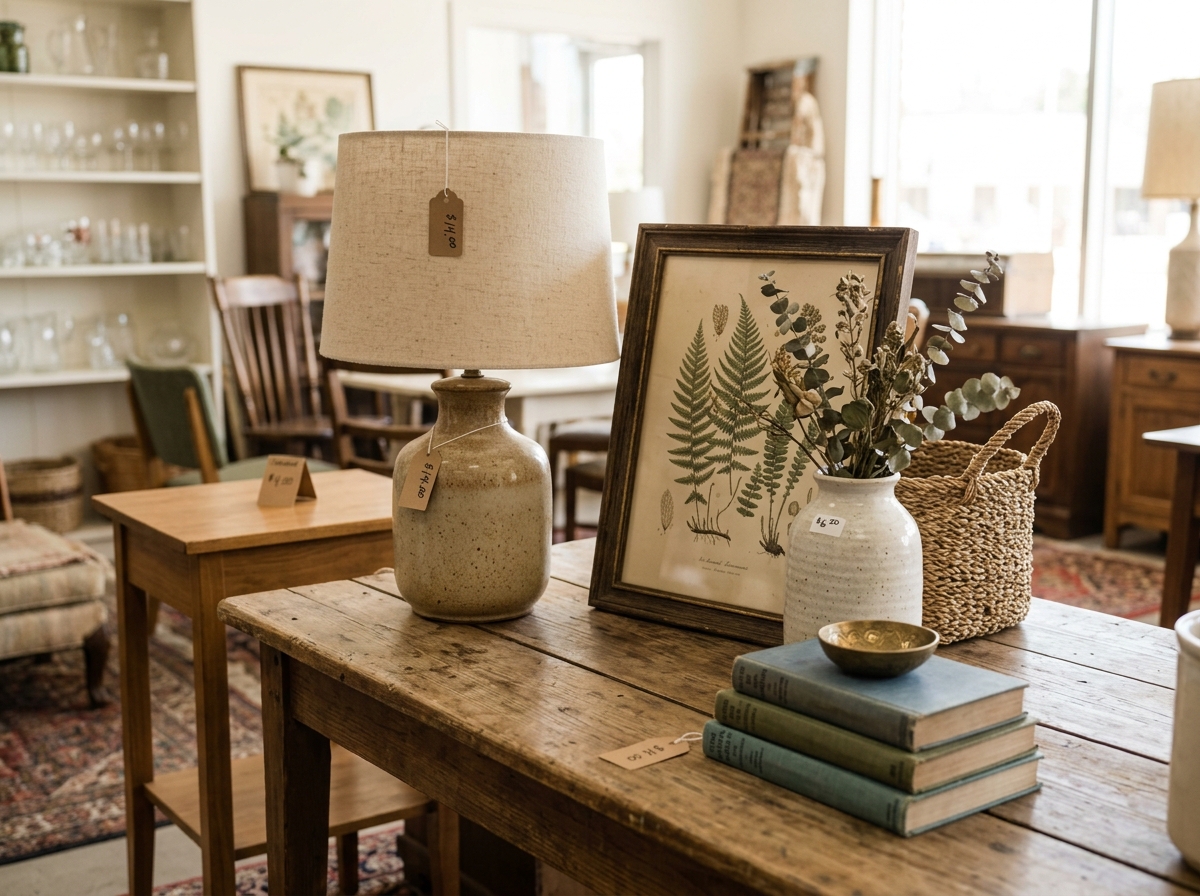
You don’t have to shop at expensive home stores to find decor that looks good. These places can help you find affordable pieces without sacrificing style.
Thrift and Consignment Shops
Look for frames, vases, baskets, lamps, and solid wood furniture. Check each item for damage, stains, missing parts, and repair costs before buying.
Estate Sales and Yard Sales
These sales can be good places to find mirrors, artwork, decorative bowls, and furniture at lower prices. Measure larger pieces and inspect their condition before taking them home.
Facebook Marketplace and Local Resale Groups
Search for secondhand furniture, mirrors, shelves, and other decor near you. Ask for measurements, clear photos, and details about damage before arranging a pickup.
Discount Home Stores
Check discount retailers for affordable pillows, throws, storage baskets, lamps, and seasonal decorations. Compare quality and prices rather than buying something simply because it’s on sale.
Online Resale Sites
Online marketplaces can help you find affordable artwork, decorative accessories, and secondhand furniture. Check shipping fees, return policies, dimensions, and seller reviews before placing an order.
Before buying anything, ask yourself three questions:
- Does it fit the room and the style I’m trying to create?
- Do I have a place for it?
- Would I still want it if it weren’t on sale?
A lower price doesn’t make an item a good purchase if it adds clutter or doesn’t suit your home. Choose pieces you’ll genuinely use and enjoy.
COMMON BUDGET HOME DECOR MISTAKES TO AVOID
Buying Too Many Trendy Items
Choose timeless decor pieces instead of chasing every trend.
Ignoring Lighting
Good lighting can completely change how a room feels.
Overcrowding the Space
Too many decor items make rooms feel stressful and smaller.
Choosing the Wrong Furniture Size
Always consider the size of your room before buying furniture.
Conclusion: Make Your Home Feel Better Without Overspending
Creating a home that looks expensive doesn’t require a big budget. Small changes, such as improving your lighting, choosing cohesive colors, adding texture, and removing unnecessary clutter, can make a noticeable difference.
Start with one room and use what you already own before buying anything new. With a little creativity and thoughtful choices, you can make your home feel more polished, comfortable, and personal without overspending.
Which idea will you try first?
Looking for more affordable decorating inspiration? Explore our Budget Home Decor collection for more ideas.
FREQUENTLY ASKED QUESTIONS ABOUT BUDGET HOME DECOR IDEAS
What are the best budget home decor ideas?
Some of the best budget home decor ideas include rearranging furniture, updating pillow covers, improving lighting, adding plants, and displaying affordable artwork. Start with changes that make the biggest difference in your room.
How can I make my home look expensive on a small budget?
Choose a cohesive color palette, reduce visual clutter, improve lighting, and mix textures thoughtfully. A clean, well-arranged room can look polished without expensive furniture or accessories.
Where can I buy cheap home decor?
Try thrift stores, yard sales, local resale groups, discount home stores, and online marketplaces. Compare condition, quality, and total cost before buying.
How can I decorate my home without spending a lot of money?
Start by rearranging furniture and using items you already own in new ways. Then make a short list of the changes your room actually needs before shopping.
What should I avoid when decorating on a budget?
Avoid buying items just because they’re on sale, overcrowding surfaces with accessories, and choosing decor that doesn’t suit your space. Measure before buying and prioritize pieces you’ll use and enjoy.